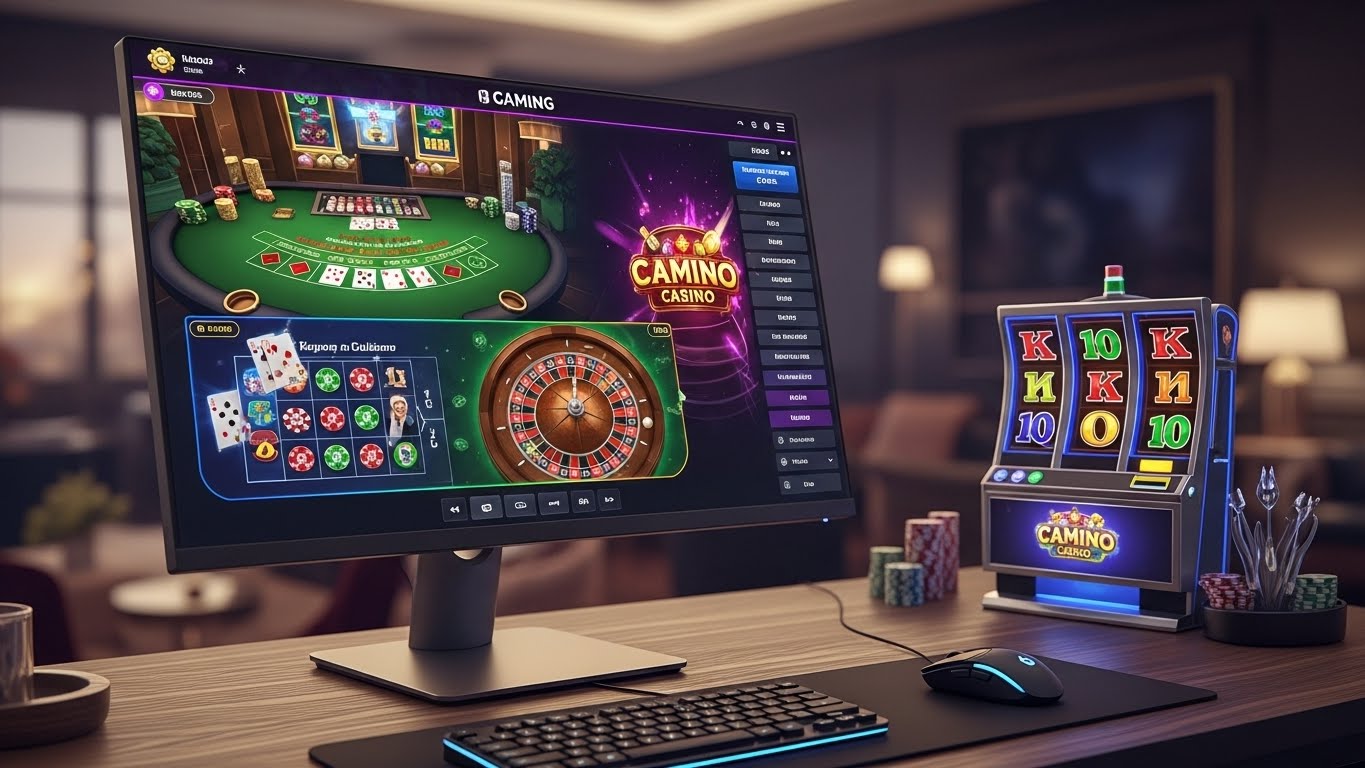

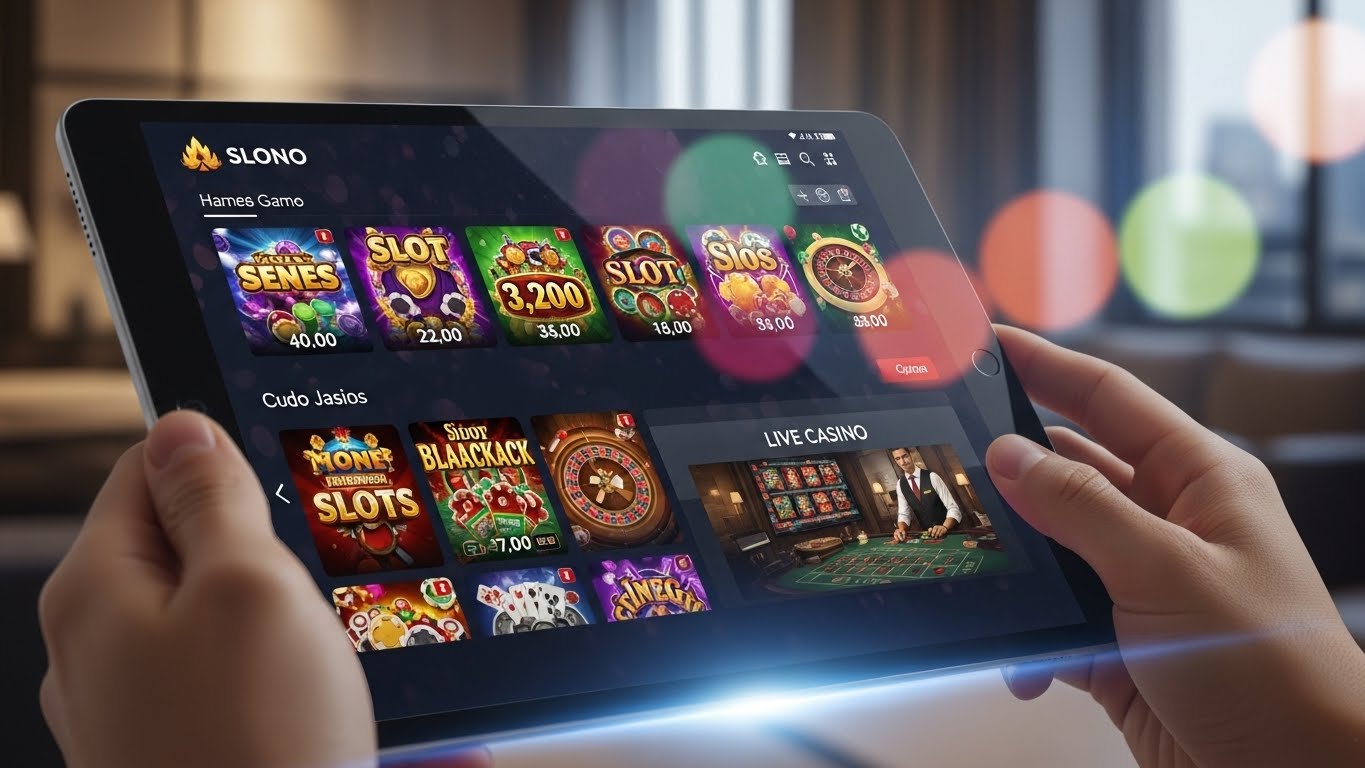
The world of iGaming is vast, dynamic, and evolving at an extraordinary pace. What started as a niche form of entertainment has now evolved into a global phenomenon, attracting millions of players, investors, and technology developers. With the rapid growth of internet connectivity, mobile gaming, and the rising popularity of esports and virtual gaming, the iGaming industry is reshaping the future of online entertainment. In this blog post, we’ll explore the rise of iGaming, the current trends influencing its growth, and the opportunities and challenges that lie ahead.
Understanding iGaming: An Overview
iGaming refers to the practice of playing or betting on games of chance or skill via the internet. It encompasses a broad spectrum of online activities, from traditional casino games like slots and blackjack to sports betting, poker, and emerging sectors like esports betting and virtual sports. The accessibility and convenience offered by iGaming platforms have made it a hugely popular pastime, not just for gambling enthusiasts, but also for those looking for interactive, skill-based entertainment.
The rise of internet-based gaming platforms has allowed iGaming to tap into a massive global market, crossing traditional geographical boundaries. Players can now access their favorite games or place bets from virtually anywhere in the world, making iGaming a truly borderless form of entertainment.
iGaming: A Multibillion-Dollar Industry
Over the last two decades, the iGaming industry has undergone significant growth, evolving into a multibillion-dollar global sector. In 2020, the iGaming market was valued at more than $50 billion, and projections suggest that by 2027, it could exceed $127 billion, growing at a compound annual growth rate (CAGR) of over 11%.
Several factors have driven this remarkable expansion:
- Advancements in Technology: The rapid evolution of internet connectivity, mobile devices, and game development technology has played a pivotal role in the growth of iGaming. Today’s players enjoy high-quality, immersive experiences with stunning graphics, seamless gameplay, and real-time interactions.
- Mobile Gaming: The increasing popularity of mobile phones and tablets has made gaming more accessible than ever. Mobile gaming now accounts for a substantial share of the iGaming market, with many platforms offering apps or mobile-optimized websites for players to access games on the go.
- Regulatory Changes: In many parts of the world, online gambling has become more widely accepted, with countries legalizing and regulating iGaming to harness its economic potential. The growing number of legal and regulated iGaming markets has provided a more secure environment for players while fostering competition among operators.
- Social and Cultural Shifts: There has been a significant cultural shift in how people perceive gaming and gambling. What was once considered taboo is now viewed as an entertainment option, particularly among younger generations. This shift in perspective has been crucial in making iGaming more mainstream and appealing to a broader demographic.
Key Trends Shaping the Future of iGaming
The iGaming industry is constantly evolving, and several emerging trends are set to shape its future. From technological innovations to changing player expectations, these trends are creating new opportunities and challenges for operators, developers, and players alike.
1. The Rise of Virtual Reality (VR) and Augmented Reality (AR)
Virtual reality and augmented reality are among the most exciting developments in iGaming. VR technology allows players to immerse themselves in 3D virtual casinos, where they can interact with other players and experience the thrill of gambling in a highly realistic environment. This creates a more engaging and lifelike experience that could revolutionize online casinos.
Similarly, AR can enhance the iGaming experience by overlaying digital elements onto the real world. For example, players might be able to see virtual casino tables in their own living rooms or interact with live dealers in an augmented space. As VR and AR technologies become more accessible, we can expect a wave of innovative gaming experiences that blend the virtual and physical worlds.
2. The Growth of Esports and Esports Betting
Esports has emerged as one of the fastest-growing sectors in the entertainment industry. With competitive gaming events attracting millions of viewers and players, it has become a dominant force within the iGaming market. Esports betting, which allows players to bet on the outcomes of video game tournaments, is rapidly gaining popularity.
This trend is particularly appealing to younger audiences, who are more accustomed to video games and online communities. Esports tournaments such as League of Legends, Dota 2, and Fortnite have attracted significant global followings, and betting on these events is expected to become a major component of the iGaming ecosystem.
3. Blockchain Technology and Cryptocurrencies
Blockchain technology is making waves in the iGaming industry due to its ability to offer transparency, security, and decentralized operation. Through the use of blockchain, players can verify the fairness of games, ensuring that the outcomes are not manipulated or rigged. Additionally, blockchain can help reduce fraud and streamline payment processes, making transactions faster and more secure.
Cryptocurrencies like Bitcoin and Ethereum are also becoming increasingly popular in the iGaming world. Many online casinos now accept digital currencies as a payment method, offering players more flexibility and anonymity. The use of cryptocurrencies can also help players bypass traditional banking systems, which can be slow or cumbersome.
4. Artificial Intelligence (AI) and Machine Learning
Artificial intelligence (AI) and machine learning are playing an increasingly important role in iGaming, especially in areas like personalized gaming experiences, customer support, and fraud detection. AI can help operators deliver tailored recommendations to players based on their gaming habits, making it easier for them to discover new games they might enjoy.
Additionally, machine learning algorithms can analyze player behavior to detect signs of problem gambling, enabling operators to take preventive measures. AI-driven chatbots are also being used to enhance customer support, providing instant assistance to players with questions or issues.
5. Live Dealer Games and Social Gambling
Live dealer games, which involve real human dealers interacting with players via live video streams, have become a major attraction for online casinos. These games offer a more authentic and immersive experience, bridging the gap between traditional land-based casinos and online platforms.
Furthermore, social gambling is becoming more prevalent. Many iGaming platforms now allow players to interact with friends, share their achievements, and participate in social gaming tournaments. This trend is especially popular among younger players who enjoy the social aspect of gaming.
Opportunities and Challenges in iGaming
While the iGaming industry presents exciting opportunities for growth and innovation, it also faces several challenges that operators and players must navigate.
1. Regulatory and Legal Challenges
One of the biggest challenges facing iGaming is the complex and often inconsistent regulatory environment. Laws surrounding online gambling vary widely from country to country, with some jurisdictions having strict regulations while others maintain a more relaxed stance. For operators, ensuring compliance with local laws and obtaining the necessary licenses can be a time-consuming and costly process.
As more countries look to regulate online gambling, there will likely be an increase in global cooperation to establish standardized rules that promote fairness and consumer protection. However, until that happens, navigating the regulatory landscape will remain a challenge.
2. Responsible Gambling
As the popularity of iGaming grows, so too does the need for responsible gambling practices. While online gaming can be an enjoyable and rewarding form of entertainment, it can also be addictive for some individuals. Operators must take steps to ensure that they provide safe environments for players by offering tools like self-exclusion, limits on spending, and access to support for those struggling with addiction.
3. Cybersecurity and Fraud Prevention
With the rise of online gaming comes the risk of cyberattacks and fraud. Players’ financial information, as well as their personal details, must be protected at all costs. iGaming operators must invest in robust cybersecurity measures to safeguard their platforms from hacking attempts, phishing scams, and data breaches.
Furthermore, fraudulent activities such as bonus abuse, collusion in poker games, and match-fixing in esports events can tarnish the reputation of the industry. Ensuring fairness and security is crucial for maintaining trust and integrity within the iGaming ecosystem.
The Road Ahead for iGaming
The future of iGaming is filled with promise. With ongoing advancements in technology, increasing acceptance of online gambling, and the growing popularity of new forms of gaming, such as esports and VR experiences, the industry will continue to evolve.
To stay competitive, iGaming operators will need to embrace new technologies, provide personalized and immersive experiences, and remain committed to responsible gaming practices. Players, too, will benefit from the expanding variety of games, improved security, and new opportunities for social interaction and engagement.
As the lines between traditional gaming and gambling continue to blur, we can expect the iGaming sector to become even more integrated into the broader entertainment ecosystem. Whether through virtual casinos, esports betting, or AI-powered experiences, the future of iGaming looks bright, and we are only just beginning to explore its full potential.