

In the last two decades, the gambling industry has undergone a seismic shift, primarily driven by the growth of the internet. Traditional brick-and-mortar casinos, sportsbooks, and betting establishments have witnessed an unprecedented transformation, as the rise of iGaming has revolutionized how people engage with gambling. Whether it’s through online casinos, sports betting, poker rooms, or mobile gambling apps, iGaming has become a multi-billion dollar global industry. In this blog post, we will explore the evolution of iGaming, its impact on society, the legal landscape, technological advancements, and what the future holds for the digital gambling world.
What is iGaming? A Definition and Overview
iGaming, short for internet gaming, refers to any form of gambling that is conducted over the internet. The term encompasses a wide range of online gaming activities, including virtual casinos, online poker, sports betting, bingo, fantasy sports, and even virtual horse racing. iGaming is typically accessed via websites, mobile apps, or dedicated platforms where players can gamble real money in a secure online environment.
The global iGaming market has exploded in recent years, driven by technological advancements, changing consumer behaviors, and increasingly favorable regulations in many parts of the world. What once started as a niche industry targeting a small segment of online users has now expanded into a mainstream form of entertainment enjoyed by millions across the globe.
The Evolution of iGaming: From Land-Based to Online
The history of iGaming can be traced back to the mid-1990s, when the first online casinos and gambling websites began appearing. The introduction of secure online payment systems like PayPal and digital wallets provided a foundation for online gambling to grow. In 1994, Antigua and Barbuda passed the Free Trade & Processing Act, which allowed companies to obtain licenses to operate online casinos and sportsbooks. This was one of the first regulatory frameworks that set the stage for the future of iGaming.
The first real breakthrough came in 1996 with the launch of InterCasino, which is widely recognized as one of the first fully functional online casinos. It offered a limited selection of games but marked the beginning of a new era for the gambling industry. By the late 1990s and early 2000s, more online casinos and sportsbooks began to spring up, offering a wider variety of games and betting options.
This period also saw the emergence of online poker. In 1998, the website Planet Poker introduced real-money online poker, a concept that would become a major driving force in iGaming’s growth. In 2003, the launch of PartyPoker, a popular online poker platform, brought even more attention to this segment of the market. The year 2003 also marked the launch of the first online poker tournament, the World Series of Poker (WSOP) satellite event, which further solidified online poker as a major part of the iGaming ecosystem.
By the mid-2000s, technological advancements such as faster internet speeds, improved graphics, and the development of secure encryption protocols allowed online casinos to offer a more immersive and secure gambling experience. This was also the era when iGaming began to attract the attention of traditional land-based casinos and corporate investors, who recognized the vast potential of the online gambling market.
The Technological Boom: How Innovation Shaped iGaming
The rapid development of technology has been one of the most influential factors behind the rise of iGaming. The shift from land-based to online gambling has been facilitated by the internet and innovations in software development. Let’s take a closer look at some of the key technological advancements that have shaped the iGaming industry.
Mobile Gaming and Apps
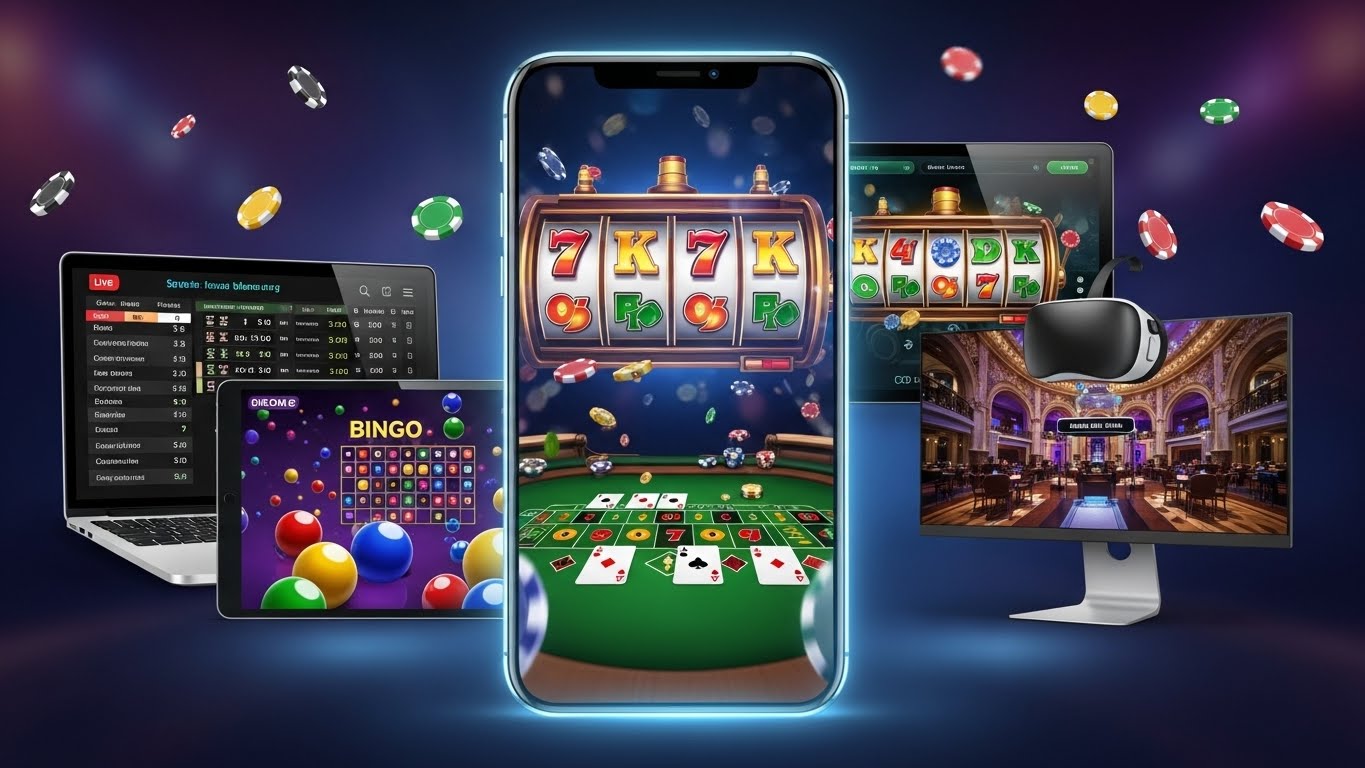
One of the most significant technological shifts in iGaming has been the rise of mobile gaming. With the widespread adoption of smartphones and tablets, gambling has become increasingly accessible on the go. Players no longer need to sit at a desktop computer to access their favorite online casino or sports betting platform. Today, there are countless iGaming apps available for iOS and Android devices that allow players to bet, spin, and play wherever they are.
Mobile gaming has opened up new revenue streams for operators and provided greater flexibility for players. Online casinos have optimized their platforms for mobile devices, offering seamless gaming experiences across all screen sizes. Additionally, mobile apps have introduced features like live dealer games, push notifications, and in-app bonuses, further enhancing the overall experience.
Live Dealer Games
Live dealer games are another major innovation in the iGaming world. These games, which include blackjack, roulette, baccarat, and poker, are streamed in real-time from professional studios or land-based casinos. Players can interact with human dealers and other participants through live chat features, providing an authentic casino experience without leaving home.
Live dealer games are powered by cutting-edge video streaming technology and sophisticated software platforms, making them one of the most popular offerings in the online casino market. These games offer an immersive experience that closely mirrors traditional gambling but with the added convenience of being accessible from anywhere.
Cryptocurrency and Blockchain Technology
Cryptocurrency has made a significant impact on iGaming in recent years. Many online casinos and betting sites now accept digital currencies like Bitcoin, Ethereum, and Litecoin as a form of payment. Cryptocurrency offers several advantages for both operators and players, including faster transactions, lower fees, and increased anonymity.
Blockchain technology, the underlying infrastructure behind cryptocurrencies, is also being explored for use in iGaming. Blockchain can enhance the transparency and security of online gambling by providing an immutable record of all transactions and gameplay outcomes. This ensures fairness and helps to combat fraud, which has been a concern in the industry.
Virtual Reality (VR) and Augmented Reality (AR)
The integration of virtual reality (VR) and augmented reality (AR) into iGaming is still in its early stages, but it holds the potential to revolutionize the online gambling experience. VR casinos could offer fully immersive environments where players can walk around a virtual casino, interact with dealers and other players, and play their favorite games in a highly realistic setting.
Augmented reality, on the other hand, could bring physical and digital worlds together, allowing players to experience virtual games in their real-world environment through their smartphones or AR glasses. While these technologies are not yet mainstream in iGaming, they are quickly gaining traction and may become more prominent in the coming years.
The Legal Landscape: Navigating the Global iGaming Market
One of the most complex aspects of iGaming is the legal framework that governs online gambling. Each country has its own set of laws and regulations that dictate whether iGaming is legal, how it is regulated, and what licensing requirements apply. Some countries, like the United Kingdom and Malta, have established clear and comprehensive regulations that provide a legal framework for iGaming operators. These regulations help ensure that the industry remains fair, secure, and transparent for both operators and players.
On the other hand, many countries still have strict anti-gambling laws, which make it difficult for iGaming companies to operate. In some regions, such as the United States, the legality of online gambling varies from state to state. While states like New Jersey, Pennsylvania, and Michigan have legalized online casinos and sports betting, many others have yet to pass laws regulating these activities.
This complex legal environment has created challenges for iGaming operators, who must navigate a patchwork of regulations when offering their services across different markets. However, as demand for online gambling continues to rise, more and more countries are beginning to embrace iGaming and are taking steps to regulate it effectively.
The Rise of Esports Betting
In recent years, the popularity of esports has exploded, and with it, the rise of esports betting. Esports refers to competitive video gaming, where professional players and teams compete in organized tournaments for cash prizes. Titles like League of Legends, Counter-Strike: Global Offensive, Dota 2, and Fortnite have attracted millions of viewers and participants, turning esports into a billion-dollar industry.
Esports betting, where players wager on the outcomes of these tournaments, has quickly gained traction within the iGaming sector. Many online sportsbooks now offer odds on esports events, and dedicated esports betting platforms have emerged to cater to this growing market. Esports betting has attracted a younger audience and has helped further mainstream the concept of online gambling.
The Future of iGaming: What’s Next?
As the iGaming industry continues to evolve, several key trends are likely to shape its future.
- Increased Regulation and Licensing: As iGaming becomes more popular and widespread, more countries will likely introduce regulations to govern online gambling. These regulations will ensure greater protection for players, promote responsible gambling, and help combat issues like money laundering and fraud.
- Mobile Dominance: Mobile gaming will continue to drive the iGaming market, with more players accessing online casinos, sportsbooks, and poker rooms through their smartphones and tablets. As mobile technology improves, so too will the user experience, making it even easier for players to engage with their favorite games.
- Further Integration of Cryptocurrency and Blockchain: Cryptocurrency and blockchain technology will continue to play a prominent role in iGaming, offering players faster, more secure, and anonymous payment options. We can also expect to see more blockchain-based gaming platforms that promote fairness and transparency.
- Greater Focus on Responsible Gambling: With the rise of iGaming, there has been an increasing emphasis on responsible gambling. Operators are expected to implement tools and features that allow players to set limits on their spending, prevent addiction, and provide resources for those seeking help.
Conclusion: iGaming’s Bright Future
iGaming has come a long way since its early days in the mid-1990s. Technological advancements, changing consumer preferences, and evolving regulations have helped shape the industry into the global powerhouse it is today. As the industry continues to grow, we can expect even more innovation, including the integration of virtual and augmented reality, cryptocurrency, and further advancements in mobile gaming. Whether you’re a casual player, a high-stakes gambler