

The iGaming industry, an umbrella term for online gambling, has seen an unprecedented rise in popularity over the past decade. From online casinos and sports betting to esports betting and virtual gaming, the sector has evolved into a global powerhouse. This blog post explores the various facets of iGaming, its current trends, the technology driving its growth, and the future prospects that lie ahead.
What is iGaming?
iGaming refers to the act of playing games of chance or skill online. It includes various forms of gambling such as poker, casino games, sports betting, and even lottery services—all conducted through the internet. The convenience of being able to play from the comfort of one’s home has contributed significantly to the industry’s rapid growth.
Unlike traditional brick-and-mortar casinos, iGaming platforms allow players to engage in a wide range of games anytime, anywhere, provided they have an internet connection. This accessibility has attracted millions of players worldwide, further fueling the expansion of the industry.
Key Factors Driving iGaming’s Growth
- Technological Advancements
The technological revolution has been a major driver of the iGaming boom. Innovations like virtual reality (VR), augmented reality (AR), and artificial intelligence (AI) have reshaped the way online games are played and experienced. VR casinos, for example, are offering players a near-real experience, while AI-powered algorithms enhance user engagement by providing tailored game recommendations and personalized experiences. - Mobile Gaming
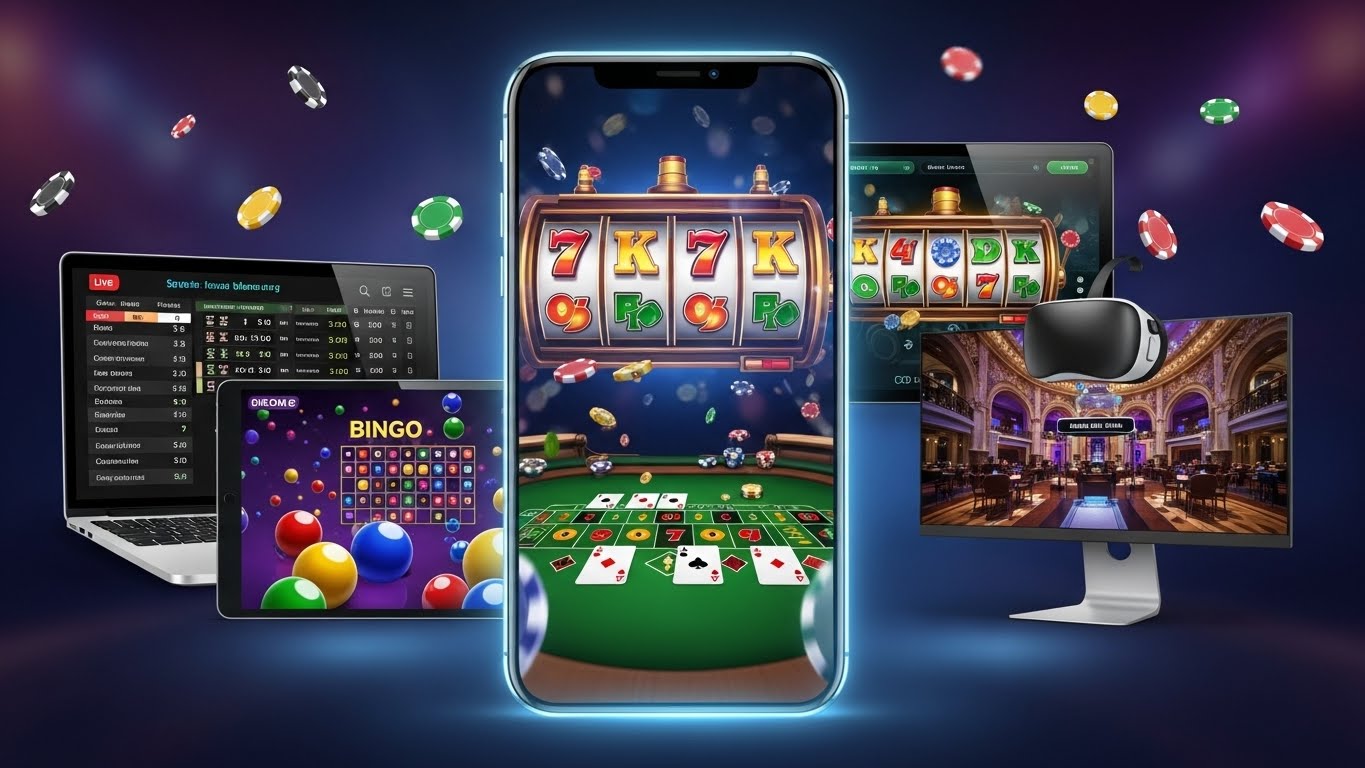
The widespread use of smartphones and tablets has made mobile gaming one of the most significant contributors to iGaming growth. Players can now gamble on the go, accessing their favorite games with just a tap of their fingers. Mobile-optimized gaming platforms and apps have made it easier for players to dive into the iGaming world at their convenience. - Regulation and Legalization
As governments across the globe recognize the economic potential of online gambling, more countries are moving towards regulating the iGaming sector. Legal frameworks have been established in places like the UK, Malta, and New Jersey in the United States, ensuring that operators adhere to fair practices while providing players with a safe and secure environment to gamble. - Esports Betting
One of the fastest-growing niches within iGaming is esports betting. As competitive gaming continues to attract a massive following, platforms that allow users to bet on esports tournaments are flourishing. This sector is expected to grow even more, as younger generations continue to favor esports over traditional sports.
Popular iGaming Trends
- Live Dealer Games
Live dealer games have been a huge hit in the online casino world. They combine the excitement of a real-world casino with the convenience of online gaming. Players can interact with real dealers in real-time, adding a personal touch to their experience. Games like blackjack, roulette, and baccarat are especially popular in the live dealer format. - Cryptocurrency and Blockchain Integration
Cryptocurrencies like Bitcoin and Ethereum are being increasingly integrated into iGaming platforms, providing users with more privacy and faster transactions. Blockchain technology is also being utilized to increase transparency and fairness, as it ensures that every transaction can be tracked and verified. - Gamification
To keep players engaged, many iGaming platforms are incorporating elements of gamification. This could include loyalty programs, achievement badges, and leveling systems. Such features not only enhance the gaming experience but also build a more immersive and rewarding environment for users. - Skill-Based Gaming
While traditional online gambling often revolves around chance, skill-based gaming is gaining popularity. These games allow players to utilize their knowledge or abilities to increase their chances of winning, making them more appealing to a younger audience that prefers an element of strategy.
The Social Aspect of iGaming
Contrary to the misconception that online gambling is a solitary activity, iGaming platforms have made it increasingly social. Online poker rooms, multiplayer blackjack tables, and betting communities foster a sense of camaraderie and competition. Players can chat, interact, and even form alliances with other users, enhancing their overall gaming experience.
In addition, streaming platforms like Twitch and YouTube have contributed to the socialization of iGaming. Gamers often share their experiences, strategies, and victories (or defeats) with a live audience, adding an extra layer of excitement and community involvement.
The Future of iGaming
The future of iGaming is bright, with continued technological advancements and an ever-expanding global market. Artificial intelligence will likely continue to play a key role, improving game design, personalized experiences, and even creating new forms of entertainment.
Furthermore, as virtual and augmented reality technologies mature, we can expect iGaming to become more immersive. VR casinos that offer a fully interactive, 360-degree experience could redefine what it means to gamble online, blurring the lines between reality and the virtual world.
Additionally, as the younger generation becomes the primary audience for online gaming, we might see a shift towards more interactive and skill-based games, including new ways to integrate esports and traditional betting.
Conclusion
The iGaming industry is a dynamic and rapidly evolving sector that shows no signs of slowing down. With technological innovation, improved accessibility, and increasing regulation, it’s becoming more integrated into the daily lives of players worldwide. Whether you’re a casual gamer, a seasoned bettor, or an esports enthusiast, iGaming offers something for everyone. As the industry continues to innovate, we can only imagine the exciting possibilities that the future holds.
In the end, iGaming is not just about betting and gambling—it’s about entertainment, community, and the thrill of the game.