

iGaming, or internet gaming, has emerged as one of the most dynamic sectors in the digital entertainment industry. Combining technology, entertainment, and online interaction, iGaming has revolutionized how people experience games, betting, and virtual competitions. From online casinos and poker to sports betting and digital lotteries, iGaming offers convenience, excitement, and opportunities for players worldwide. This blog explores the evolution of iGaming, its impact on the entertainment and tech industries, regulatory aspects, and the trends shaping its future.
The Rise of iGaming
The iGaming industry traces its origins to the late 1990s, with the emergence of online casinos and poker platforms. Early internet technology enabled players to access games remotely, eliminating the need to visit physical casinos. As internet connectivity improved and digital payment systems became secure, the iGaming industry grew rapidly.
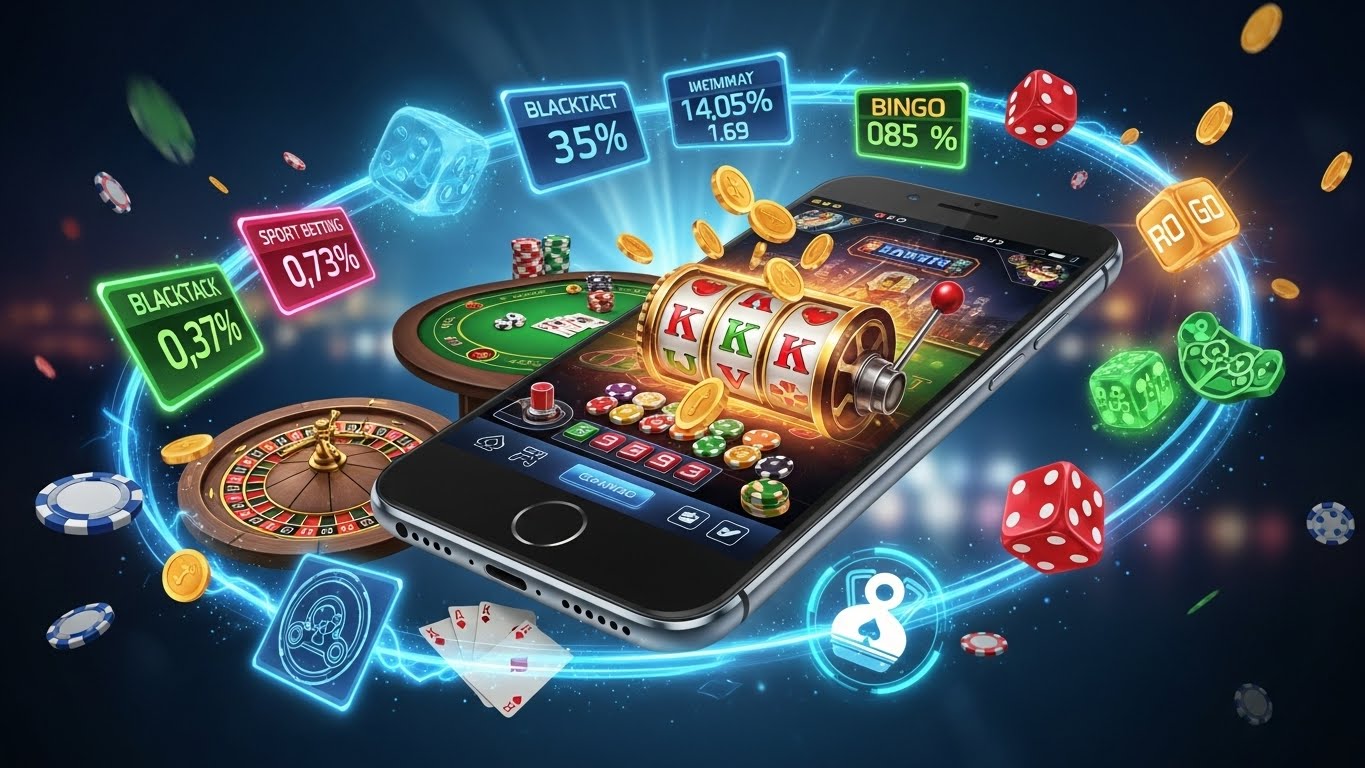
The proliferation of smartphones and mobile applications further fueled iGaming’s expansion. Players could now enjoy casino games, slots, and sports betting on-the-go, leading to a surge in global participation. iGaming became more than just gambling—it evolved into an entertainment experience combining skill, strategy, and chance, accessible anytime and anywhere.
Types of iGaming
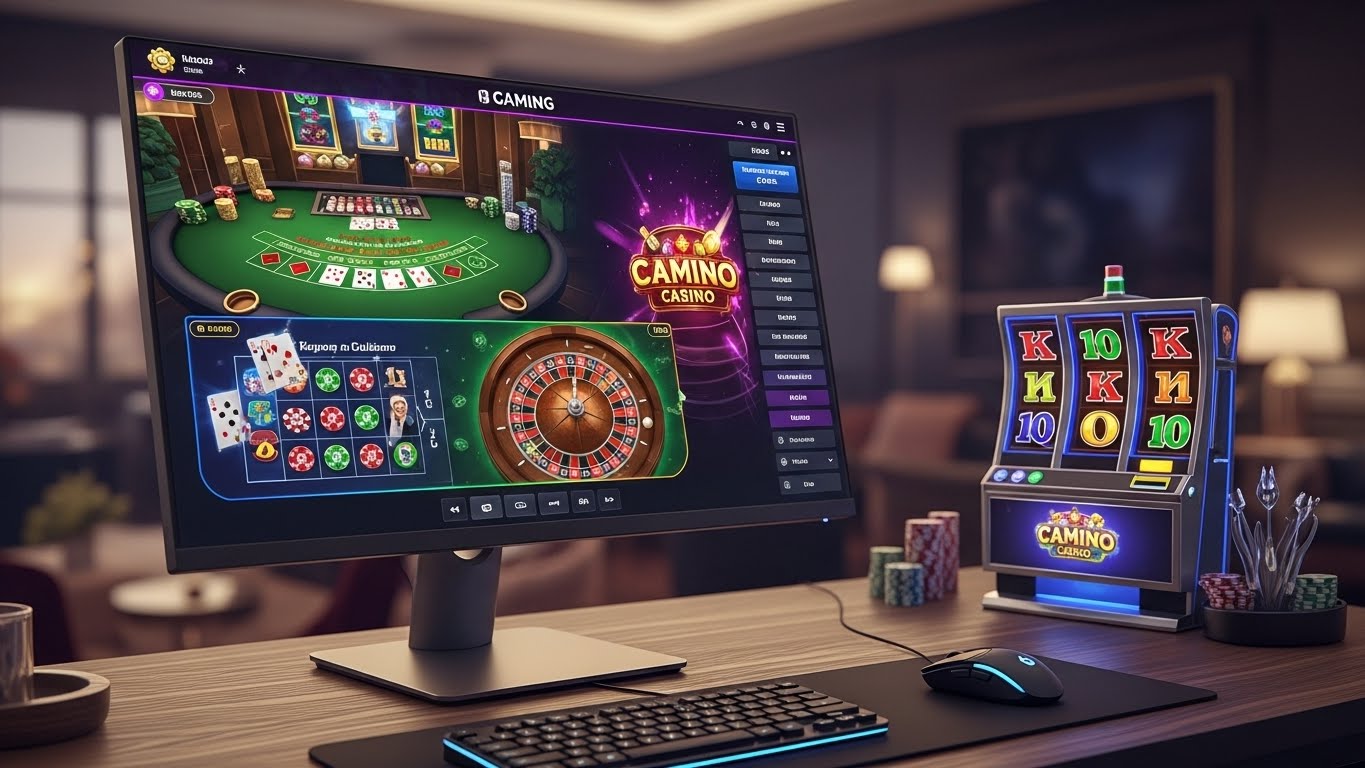
iGaming encompasses a wide range of platforms and activities. Online casinos offer traditional table games such as blackjack, roulette, and baccarat, along with digital slot machines that simulate real-world experiences. Poker platforms provide both competitive and recreational gameplay, often hosting global tournaments with substantial prize pools.
Sports betting has become a significant component of iGaming, allowing players to wager on football, basketball, horse racing, and more. Fantasy sports platforms blend skill and strategy, enabling users to manage virtual teams and compete against others. Online lotteries and bingo complete the spectrum, offering accessible and casual gaming options. The diversity of iGaming caters to varying preferences, skill levels, and interests.
Technology Driving iGaming
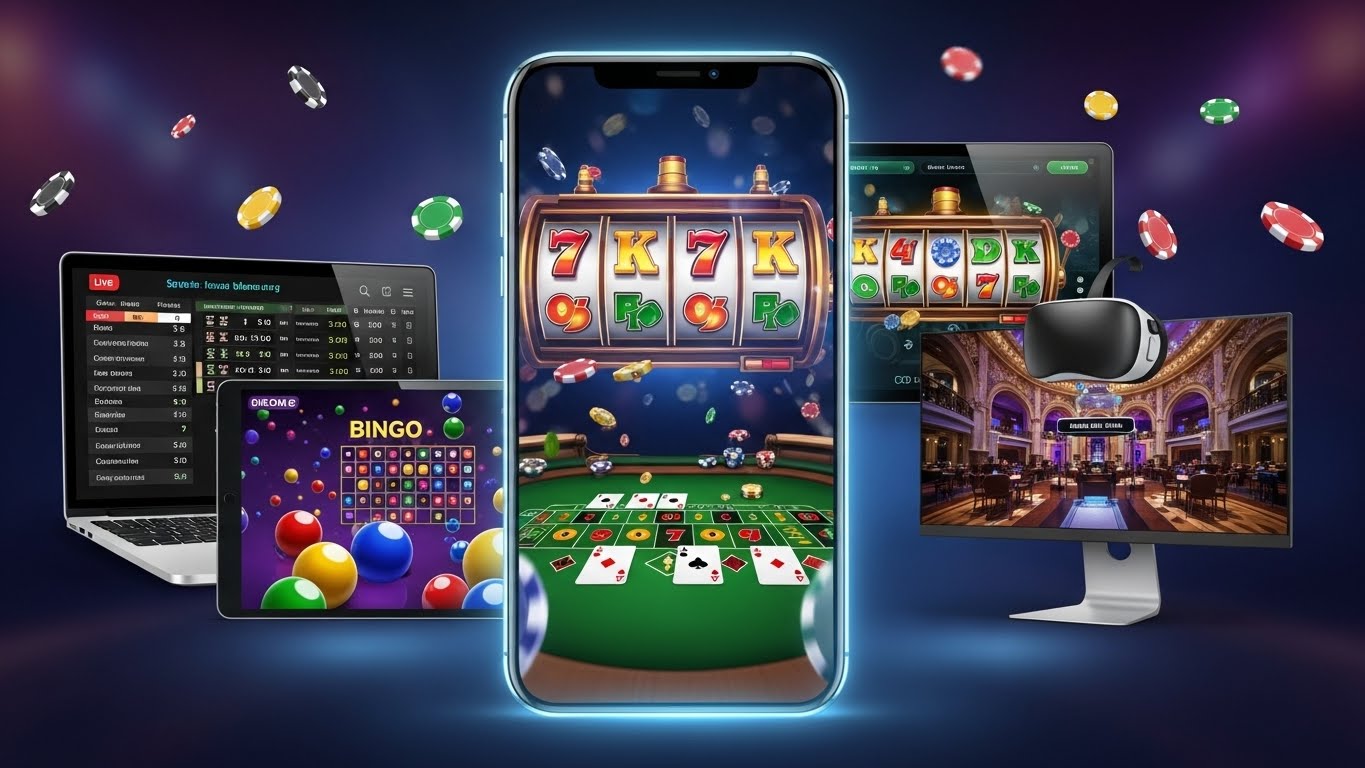
Technology is at the heart of iGaming innovation. High-quality graphics, random number generators, and secure digital payment systems ensure realistic, fair, and safe gaming experiences. Mobile optimization allows seamless gameplay across devices, while cloud computing enables scalable and accessible platforms for large audiences.
Artificial intelligence and data analytics enhance user experience by personalizing game recommendations, detecting irregular activities, and optimizing platform performance. Virtual reality and augmented reality are emerging technologies that bring immersive and interactive experiences, simulating real casino environments or live sports events. Technology ensures that iGaming continues to evolve, providing players with engaging and innovative experiences.
Accessibility and Convenience
One of the most significant advantages of iGaming is accessibility. Players no longer need to travel to physical casinos or betting venues. Digital platforms enable instant access to games from any location with internet connectivity. Mobile apps allow gameplay on smartphones and tablets, providing flexibility and convenience.
iGaming platforms also offer 24/7 availability, accommodating different time zones and lifestyles. Whether a player prefers casual gaming or high-stakes competitions, iGaming ensures that entertainment is always within reach. This accessibility has contributed to the industry’s rapid growth and global popularity.
Regulation and Responsible Gaming
As iGaming has grown, regulation and responsible gaming have become essential considerations. Many countries have established legal frameworks to ensure fair play, protect players, and prevent illegal operations. Licensing, audits, and compliance standards maintain integrity within the industry, fostering trust and transparency.
Responsible gaming initiatives educate players about the risks associated with gambling, promote self-limitation tools, and provide support resources for those experiencing addiction. Ethical platforms incorporate features like deposit limits, reality checks, and cooling-off periods to encourage safe and sustainable participation.
Economic Impact of iGaming
The iGaming industry contributes significantly to the global economy. Online casinos, sports betting, and related services generate substantial revenue and create employment opportunities in technology, marketing, customer support, and game development. Platforms attract international audiences, contributing to cross-border financial activity and digital commerce.
Moreover, iGaming drives innovation in digital payments, cybersecurity, and software development. Companies investing in iGaming often pioneer new technologies and business models that influence other sectors. The economic impact extends beyond revenue generation, positioning iGaming as a catalyst for technological advancement and business growth.
Social and Cultural Influence
iGaming has influenced social and cultural perceptions of gaming and entertainment. Online communities and multiplayer platforms foster interaction, collaboration, and competition among players worldwide. Social features such as live chat, forums, and tournaments create engagement and shared experiences, transforming gaming into a social activity.
Cultural trends also shape iGaming design and marketing. Themes, narratives, and aesthetics often reflect popular culture, storytelling traditions, and artistic creativity. iGaming blends entertainment, skill, and social interaction, making it a multifaceted cultural phenomenon.
iGaming and Skill Development
While chance plays a role in many iGaming activities, skill and strategy are increasingly important. Poker, sports betting, and fantasy sports require knowledge, analysis, and decision-making. Players must understand rules, probabilities, and tactics to improve performance and maximize outcomes.
These strategic aspects enhance cognitive abilities, critical thinking, and mathematical skills. iGaming platforms often provide tutorials, analytics, and practice modes, allowing players to develop and refine their skills. This combination of entertainment and skill development adds depth to the gaming experience.
Emerging Trends in iGaming
The iGaming industry is constantly evolving, driven by technology, consumer preferences, and regulatory developments. Virtual reality casinos offer immersive experiences that mimic physical gaming environments. Live dealer games allow real-time interaction with professional croupiers, bridging the gap between online and in-person gaming.
Cryptocurrency integration provides secure, fast, and decentralized payment options, while blockchain technology ensures transparency and fairness. Gamification techniques, loyalty programs, and interactive features enhance engagement and player retention. These emerging trends demonstrate how iGaming adapts to technological advancements and consumer expectations.
Challenges Facing iGaming
Despite its growth, iGaming faces challenges. Regulatory differences between countries create legal complexities for operators. Ensuring responsible gaming and preventing addiction remain ongoing concerns. Cybersecurity threats, fraud, and digital privacy issues require continuous vigilance and advanced protection measures.
Additionally, competition within the industry is intense. Platforms must innovate continuously, provide superior user experience, and maintain trust to attract and retain players. Addressing these challenges is critical to sustaining growth, maintaining integrity, and ensuring long-term success.
The Future of iGaming
The future of iGaming is promising, with continued innovation and global expansion. Advances in technology will drive more immersive, interactive, and personalized gaming experiences. Mobile and cloud-based platforms will continue to enhance accessibility, while artificial intelligence and analytics will optimize engagement and performance.
Global regulation and responsible gaming initiatives will shape the industry’s evolution, promoting safe and sustainable participation. As iGaming continues to blend entertainment, technology, and skill, it will remain a dynamic and influential sector in digital culture, offering players unique experiences and opportunities for years to come.
Conclusion
iGaming has transformed the landscape of digital entertainment, blending technology, social interaction, and skill-based gameplay. From online casinos and poker platforms to sports betting and fantasy leagues, iGaming offers accessible, engaging, and immersive experiences for players worldwide. The industry continues to evolve with technological innovation, cultural influence, and regulatory oversight, ensuring fair play and responsible participation.
As iGaming grows, it will continue to shape entertainment, digital innovation, and social interaction, offering players exciting and dynamic experiences. The combination of convenience, creativity, and strategic engagement positions iGaming as a defining element of modern digital entertainment, influencing culture, economy, and technology in profound ways.