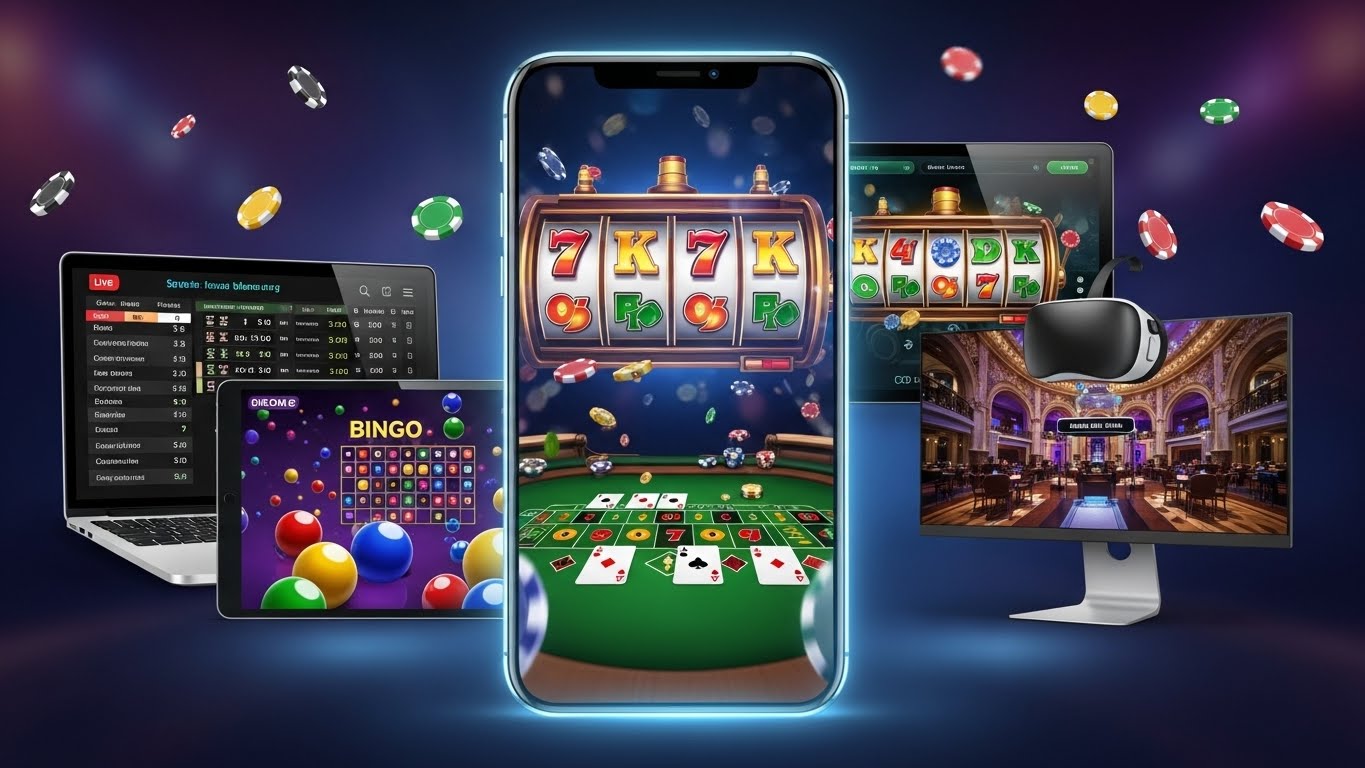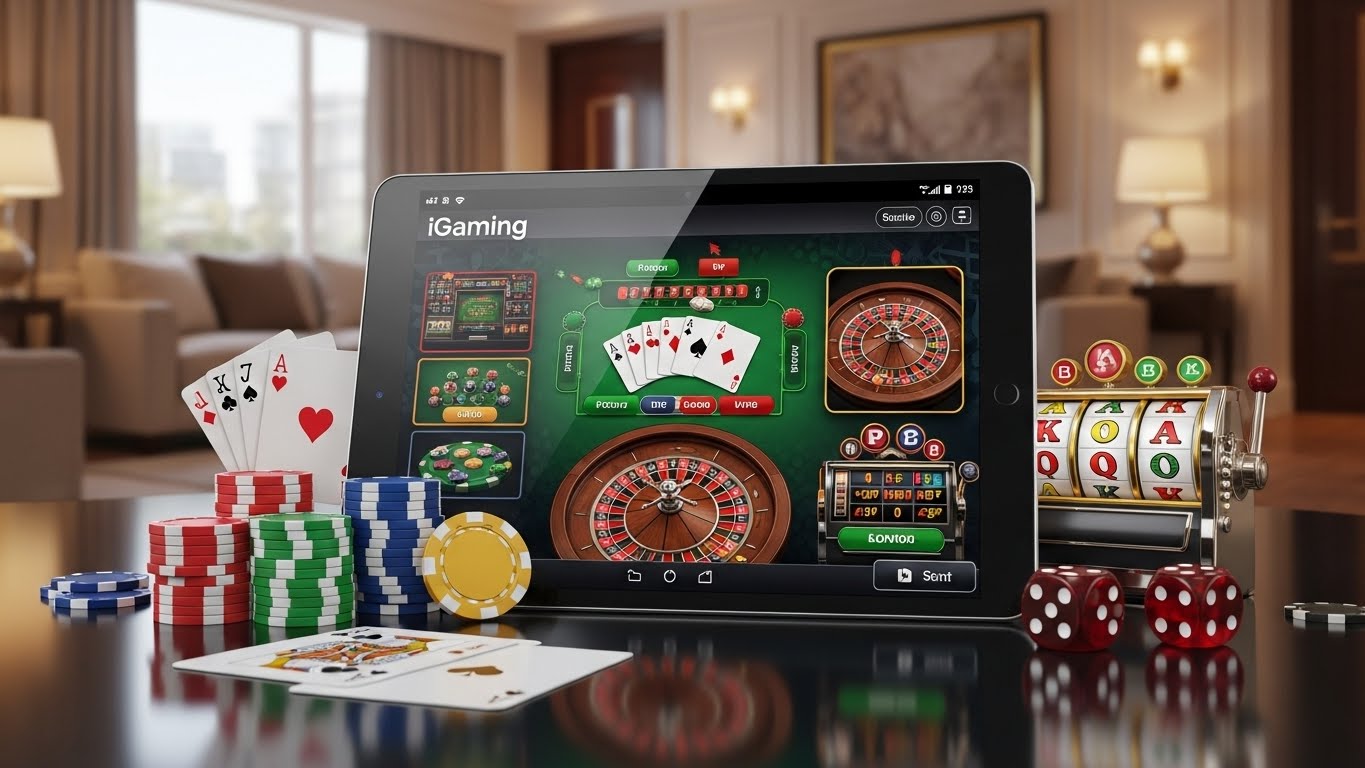


In the age of digital transformation, industries across the globe are constantly evolving, and the world of gambling is no exception. The term “iGaming” has quickly become synonymous with online gaming, encompassing everything from online casinos and sports betting to poker and skill-based games. As the world becomes more digitally connected, iGaming has rapidly expanded, creating an industry worth billions of dollars. From its humble beginnings in the mid-1990s to its current status as a global entertainment phenomenon, iGaming continues to evolve and captivate a broad range of players. In this blog post, we’ll take a detailed look at the rise of iGaming, how it’s changing the world of online entertainment, and what the future may hold for this booming industry.
Understanding iGaming: More Than Just Online Gambling
Before delving deeper, it’s important to define what iGaming is and what it encompasses. iGaming refers to any form of online gambling, where users participate in gaming activities such as casino games, sports betting, poker, and even fantasy sports, all of which involve real money stakes. The beauty of iGaming lies in its ability to bring the casino floor or sportsbook right to the player’s fingertips, accessible through smartphones, computers, and even tablets.
In the broadest sense, iGaming includes a variety of activities that involve chance, skill, or a mix of both. While traditional gambling activities such as poker and roulette have transitioned to the virtual space, newer formats like esports betting, skill-based gaming, and even fantasy sports leagues have found a home under the umbrella of iGaming. This variety has contributed to the rapid growth of the industry, making it more inclusive, dynamic, and engaging than ever before.
The Early Days of iGaming: From Niche to Mainstream
The iGaming industry had modest beginnings in the mid-1990s. The first real-money online casinos appeared in 1994 with the launch of software by Microgaming, a developer that would eventually become one of the industry’s most influential players. During this time, online gaming was largely confined to a small subset of enthusiasts who were willing to take a chance on a new, unregulated form of gambling. The first real-money online poker games also appeared around the same time, creating the foundation for today’s multi-billion-dollar poker rooms.
However, the early days of iGaming were not without their challenges. Regulatory issues, payment security concerns, and technical limitations hampered the industry’s growth. The lack of clear regulatory guidelines in many countries, combined with the relatively small user base and rudimentary technology, meant that the market was slow to expand. Moreover, because many of these early online casinos operated in grey areas legally, players often had concerns about the legitimacy and fairness of games.
Despite these challenges, the growing accessibility of the internet, the rise of personal computers, and the increasing trust in online transactions paved the way for the rapid expansion of iGaming in the late 1990s and early 2000s. By the mid-2000s, the industry had entered a new phase of growth, with major players like PokerStars, 888 Casino, and Bet365 becoming household names in the iGaming space.
The Growth of iGaming: Mobile Gaming and Technological Advancements
As the internet evolved and mobile technology became more advanced, iGaming grew at an even faster pace. One of the most significant drivers of this growth has been the proliferation of smartphones. The launch of the iPhone in 2007 and the subsequent rise of Android devices created an entirely new market for mobile gaming, including gambling. Now, iGaming platforms could reach users wherever they were, whether at home, on a train, or even on vacation.
The integration of mobile-friendly apps and responsive websites allowed players to enjoy their favorite games anywhere and at any time, which only added to the appeal of online gaming. The user experience also dramatically improved with the development of better graphics, faster internet speeds, and enhanced gameplay mechanics. For example, mobile slot machines, virtual poker games, and mobile sports betting apps became more sophisticated, offering players a seamless and enjoyable experience from the convenience of their smartphones.
Moreover, technological advancements like live dealer games have transformed the online casino experience. These games allow players to interact with real-life dealers via video streams, recreating the authentic casino experience in a digital format. This has blurred the lines between land-based and online casinos, offering players the best of both worlds.
Another key advancement is the use of random number generators (RNGs), which ensure that online casino games are fair and unpredictable, simulating the randomness of traditional gambling games. The advent of secure payment processing, including e-wallets and cryptocurrencies like Bitcoin, has also added a layer of safety and convenience, making online gambling more accessible to a broader audience.
The Different Sectors of iGaming
The iGaming industry is made up of several distinct sectors, each catering to different preferences and audiences. Let’s break down some of the major segments that make up this dynamic industry:
1. Online Casinos
Online casinos are the heart of the iGaming sector, providing players with a wide range of games like slots, blackjack, roulette, and poker. These platforms simulate the experience of a physical casino and often include features like bonuses, loyalty programs, and special promotions to attract and retain players. Many modern online casinos now offer live dealer games, which allow users to play with human dealers in real-time via video stream.
The sheer variety of games available in online casinos ensures that there’s something for every type of player. Slots, which are the most popular form of online casino game, come in a range of themes and formats, from classic fruit machines to modern video slots with elaborate storylines and bonus features.
2. Sports Betting
Sports betting is one of the most significant aspects of iGaming. Online sportsbooks allow users to place wagers on a variety of sports, including football, basketball, tennis, and even esports. In addition to traditional betting, online sportsbooks have introduced live betting, where users can place bets on games that are currently in progress. This real-time betting dynamic has captivated fans and allowed sports betting to become even more interactive.
The growth of esports has also played a crucial role in the expansion of sports betting, with major events like League of Legends and Dota 2 drawing millions of viewers and bettors alike. Esports betting is growing rapidly and is expected to become one of the most significant segments of the iGaming industry in the coming years.
3. Online Poker
Online poker rooms are another crucial component of iGaming. Poker has always had a strong following, and online platforms have made it easier than ever for people to play poker with others around the world. The development of online poker tournaments, such as the World Series of Poker (WSOP), which now hosts online qualifiers, has helped elevate the profile of online poker.
Sites like PokerStars, partypoker, and 888poker have solidified their position as leaders in the online poker space, offering a variety of poker games, including Texas Hold’em, Omaha, and Seven-Card Stud, as well as innovative tournament formats.
4. Skill-Based Games
As the younger generation begins to enter the world of online gambling, there has been a notable shift toward skill-based games. These games blend traditional gambling elements with video game mechanics, allowing players to use their skill and strategy to influence the outcome of the game. Games like Skillz have attracted a new demographic that enjoys a more interactive and engaging experience.
These games often involve challenges where players can earn real money based on their performance, bringing the concept of gaming and gambling closer together. This shift towards skill-based games is helping iGaming expand into a broader audience, including those who may have never considered traditional gambling.
Regulation and the Legal Landscape of iGaming
As with any form of gambling, regulation plays a crucial role in shaping the iGaming industry. The legal status of online gambling varies dramatically across countries and even regions, with some jurisdictions having fully legalized and regulated online gambling, while others have outright banned it.
In regulated markets like the United Kingdom, Malta, and Gibraltar, iGaming is strictly overseen by authorities that ensure fairness, transparency, and consumer protection. These markets generate significant tax revenue and are considered models for other countries looking to regulate online gambling.
On the other hand, some countries, particularly in Asia and parts of the United States, have stricter regulations or outright prohibitions on online gambling. However, there has been a trend toward relaxation of laws in certain regions, such as the legalization of sports betting in several U.S. states after the repeal of the Professional and Amateur Sports Protection Act (PASPA) in 2018.
Future Trends: What’s Next for iGaming?
The iGaming industry is showing no signs of slowing down, and several emerging trends point to continued innovation in the sector:
1. The Integration of Virtual and Augmented Reality (VR/AR)
Virtual and augmented reality technologies are expected to revolutionize the iGaming experience. VR casinos could offer players the opportunity to walk around a virtual casino and interact with other players and dealers in a fully immersive 3D environment. Similarly, AR could be used to overlay digital elements onto real-world sports events, enhancing the sports betting experience.
2. Cryptocurrencies and Blockchain Technology
Cryptocurrencies like Bitcoin and Ethereum have already begun to make their mark on the iGaming industry, offering players fast, secure, and private ways to transact. Blockchain technology also promises to enhance transparency, fairness, and security, particularly in online poker and casino games. The ability to conduct transactions without relying on traditional banks is an exciting development, particularly for players in regions where traditional banking options may be limited.