
The iGaming industry has undergone a radical transformation in the last few decades, shifting from traditional brick-and-mortar casinos to digital platforms that offer convenient and innovative gaming experiences. From online casinos and sports betting to esports and virtual gaming, iGaming has become a multi-billion-dollar industry that attracts millions of players worldwide. In this blog post, we will explore the evolution of iGaming, its impact on entertainment, and what the future holds for this booming sector.
What is iGaming?
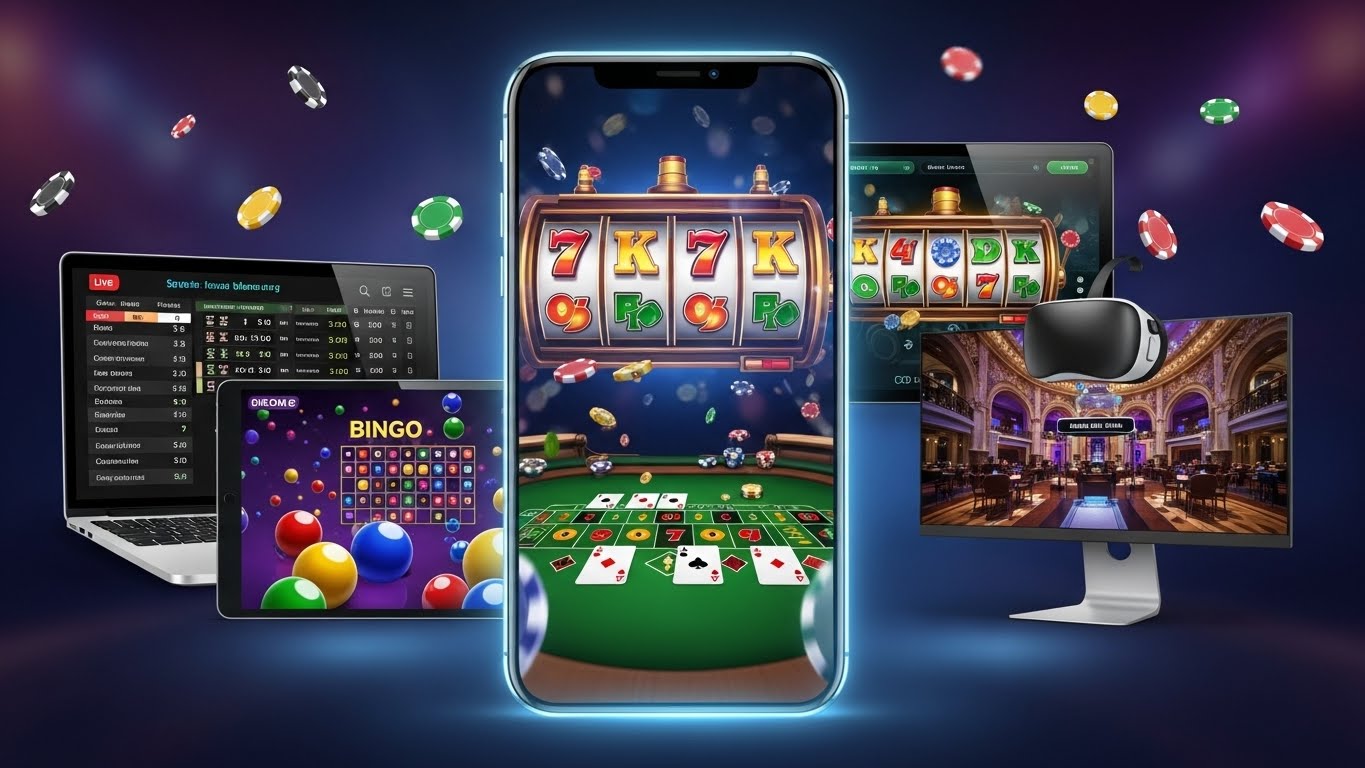
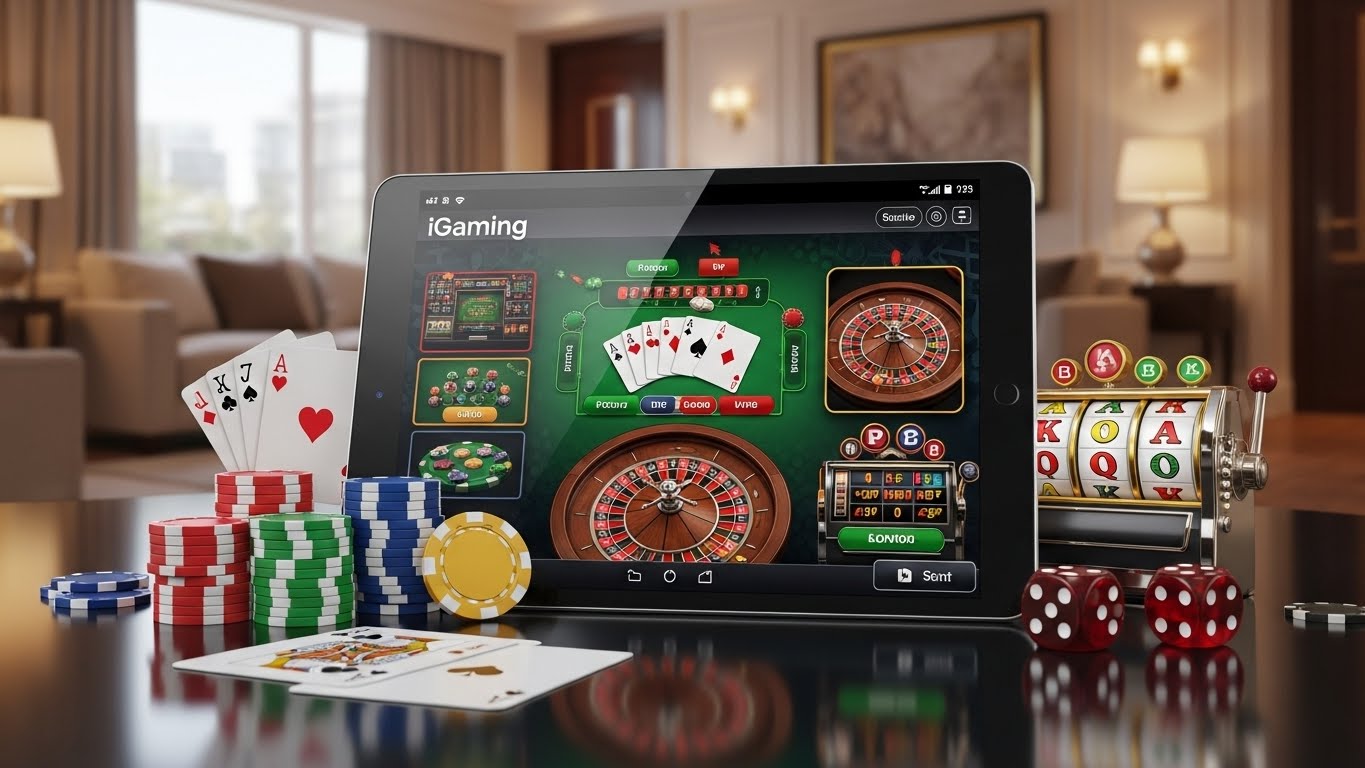
iGaming refers to all forms of gambling that take place online. The term is a broad umbrella that encompasses activities such as online casinos, sports betting, poker, bingo, and esports betting. Players engage in these activities through internet-connected devices such as computers, smartphones, and tablets. The convenience of iGaming allows players to access their favorite gambling platforms at any time, from anywhere, without needing to visit a physical casino or betting shop.
The iGaming industry is also diverse in the types of games and gambling experiences it offers. Online casinos replicate traditional gambling games such as blackjack, roulette, and slots, while sports betting platforms allow users to place wagers on a wide range of sports, from football to tennis. eSports, or competitive video gaming, has also emerged as a dominant force within iGaming, with players and viewers alike placing bets on professional gaming tournaments.
The Growth of iGaming: A Digital Revolution
Over the past two decades, the iGaming industry has seen tremendous growth. Several factors have contributed to the rise of online gambling, including advancements in technology, increased internet accessibility, and the proliferation of smartphones. In fact, the global iGaming market was valued at more than $60 billion in 2020, with projections suggesting that it could exceed $100 billion by 2027.
One of the primary drivers behind this growth is the increasing popularity of mobile gaming. Smartphones and tablets have enabled players to engage in online gambling on the go, offering flexibility and ease of access. As mobile technology has advanced, so too has the quality of the games, making them more immersive, interactive, and visually stunning.
Another factor contributing to the growth of iGaming is the rise of live dealer games. These games feature real dealers who run the games via live video streams, allowing players to interact with the dealer in real time. Live dealer games have helped bridge the gap between traditional and online casinos by providing a more authentic gambling experience that mimics the excitement of physical casinos.
The Rise of Online Casinos: The Heart of iGaming
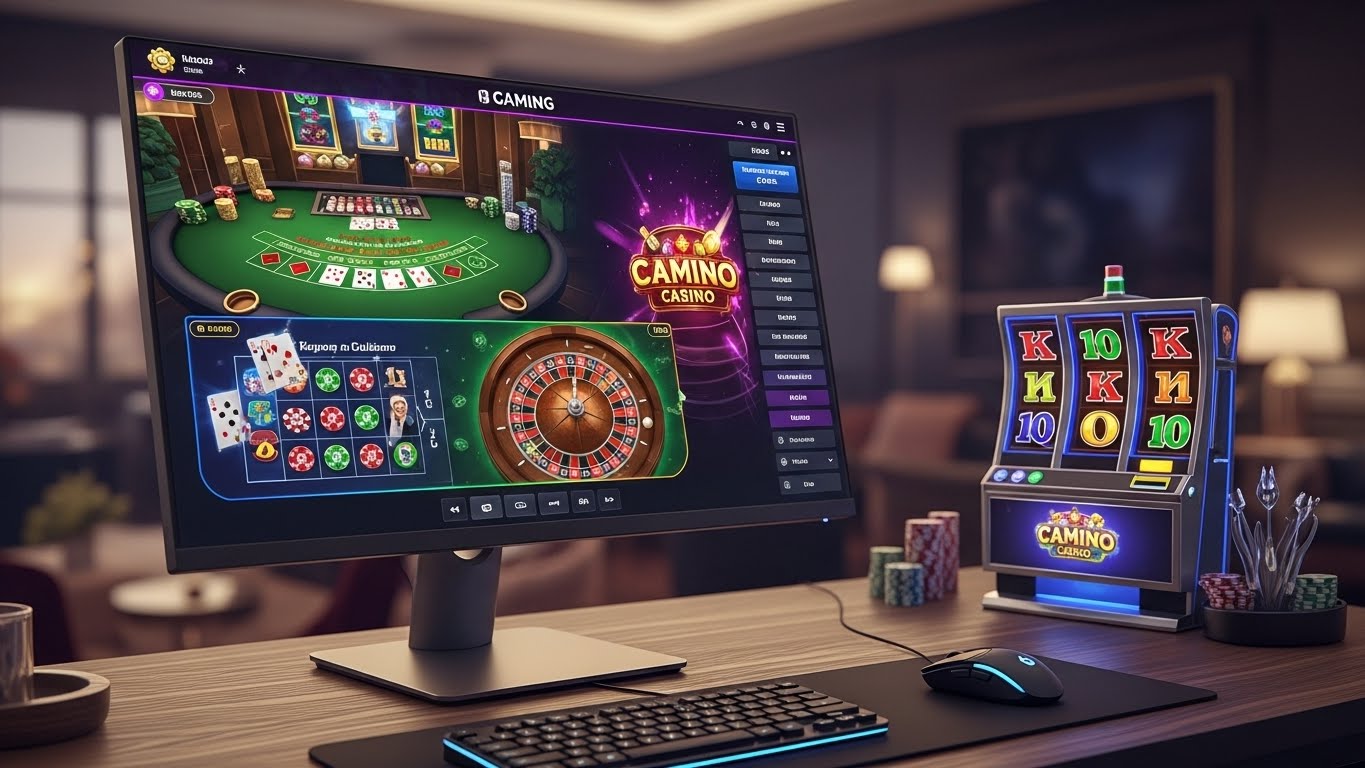
Online casinos are one of the most significant segments of the iGaming industry. These digital platforms offer a variety of gambling experiences, including slots, table games, video poker, and scratch cards. Online casinos provide a comprehensive range of options, from classic games like roulette and baccarat to modern video slots with elaborate themes and bonus features.
The appeal of online casinos lies in their convenience and accessibility. Players can access a vast selection of games from the comfort of their homes or while on the go. With 24/7 availability and a wide array of bonuses and promotions, online casinos are a top choice for millions of players. Many online casinos also offer free-to-play versions of games, allowing players to practice without risking any real money.
The technological advancements in online casino gaming have been significant. High-definition graphics, immersive sound effects, and smooth gameplay have raised the bar for what players can expect from an online casino experience. Additionally, the implementation of random number generators (RNGs) ensures that game outcomes are fair and unbiased, making online gambling as secure and trustworthy as traditional casinos.
The Boom in Sports Betting: A New Era of Wagering
Sports betting has long been a popular form of gambling, but the rise of iGaming has brought new opportunities for sports enthusiasts to place wagers on their favorite games. Online sports betting platforms allow users to bet on a wide variety of sports, from mainstream options like football, basketball, and baseball, to niche sports such as cricket, esports, and darts.
One of the most significant innovations in sports betting is the advent of live betting. Live betting enables players to place wagers during an ongoing match or event, allowing them to take advantage of changing circumstances in real-time. This dynamic form of betting adds an extra layer of excitement, as bettors can make decisions based on the current state of the game.
Another significant trend in sports betting is the rise of mobile betting. With smartphones providing easy access to online sportsbooks, players can place bets anytime and anywhere. The ability to bet on live sports events from a mobile device has made sports betting more engaging and accessible to a broader audience.
The Explosive Growth of eSports
eSports, or competitive video gaming, has emerged as one of the most exciting and rapidly growing sectors of the iGaming industry. Professional gaming tournaments now feature prize pools in the millions of dollars, with top players and teams competing in games such as League of Legends, Counter-Strike: Global Offensive, and Dota 2.
The rise of eSports betting has mirrored the growth of competitive gaming. eSports fans are increasingly placing bets on the outcome of professional gaming tournaments, similar to how fans place wagers on traditional sports events. Online sportsbooks and betting platforms have adapted to this demand by offering betting markets on major eSports competitions, bringing the world of gaming and gambling together in a unique way.
The eSports industry has also become a massive spectator sport, with millions of people watching live streams of tournaments on platforms like Twitch and YouTube. The combination of entertainment, competition, and betting has made eSports an integral part of the iGaming landscape.
The Role of Mobile Gaming in iGaming
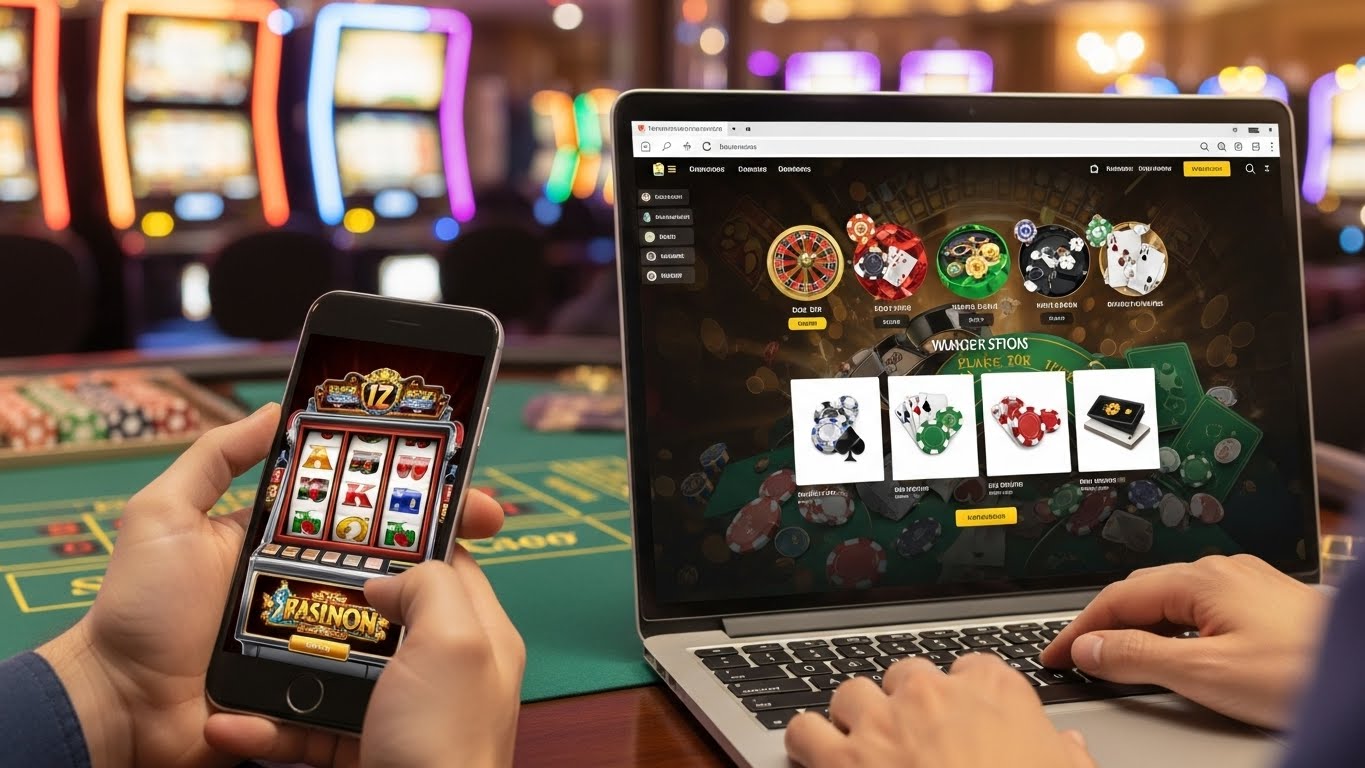
Mobile gaming has become one of the driving forces behind the expansion of iGaming. The widespread adoption of smartphones and tablets has made it easier for players to access online casinos, sports betting platforms, and eSports tournaments from virtually anywhere. The convenience of mobile gaming allows players to place bets, play games, and engage in live dealer experiences without being tied to a desktop computer.
The popularity of mobile gaming is particularly evident in markets where traditional gambling infrastructure is limited or inaccessible. In countries with strict gambling regulations or where physical casinos are not widely available, mobile devices have provided an alternative way for people to engage in iGaming.
Furthermore, the mobile gaming experience has become increasingly sophisticated, with many platforms offering optimized apps and websites designed for smartphones. These apps often feature intuitive interfaces, high-quality graphics, and seamless gameplay, ensuring that the mobile gaming experience rivals that of desktop platforms.
Blockchain and Cryptocurrencies: The Future of iGaming?
Blockchain technology and cryptocurrencies are starting to make their mark on the iGaming industry. Blockchain’s decentralized nature and its ability to provide secure, transparent transactions have led to increased interest in its potential applications in online gambling.
For instance, blockchain can be used to ensure fair play by providing transparency in game outcomes. Some iGaming platforms are already using blockchain to offer provably fair games, where players can verify the fairness of each game through a public ledger. This level of transparency helps build trust between players and operators, which is especially important in an industry where concerns about fairness and security are paramount.
Cryptocurrencies, such as Bitcoin and Ethereum, have also gained traction in iGaming. Many online casinos and sportsbooks now accept cryptocurrency deposits and withdrawals, providing players with greater anonymity and security. Additionally, cryptocurrencies offer faster transaction speeds compared to traditional banking methods, making them an attractive option for online gamblers.
Responsible Gambling: A Key Focus for the Industry
As the iGaming industry continues to grow, the importance of promoting responsible gambling has become more apparent. While online gambling can be a fun and entertaining activity, it can also lead to addictive behaviors for some individuals. To address this issue, iGaming operators are increasingly implementing responsible gambling measures to protect players and encourage safe gaming practices.
These measures include tools for setting deposit limits, self-exclusion options, and providing resources for players who may be struggling with gambling addiction. Many iGaming platforms also offer age verification systems to prevent underage gambling and promote safe play.
Furthermore, regulatory authorities in various jurisdictions are tightening regulations around online gambling to ensure that operators comply with responsible gambling standards. This includes enforcing measures to prevent money laundering, fraud, and problem gambling.
The Regulatory Landscape of iGaming
The regulatory landscape of iGaming varies significantly from one country to another. While some regions, such as Europe and certain parts of the United States, have established clear regulations for online gambling, others still operate in legal grey areas. In some jurisdictions, online gambling is fully regulated, with operators required to obtain licenses and adhere to strict guidelines. In contrast, some countries have banned online gambling or heavily restrict it.
For operators, navigating this complex and constantly changing regulatory environment can be challenging. It is crucial for iGaming companies to stay up to date with local laws and ensure compliance with regulations in the markets they operate in. For players, understanding the legal status of online gambling in their jurisdiction is essential to avoid potential legal issues.
The Future of iGaming: Innovation and Opportunities
The iGaming industry is on a trajectory of continuous innovation and growth. Some of the most exciting developments on the horizon include the integration of virtual reality (VR) and augmented reality (AR) technologies, which could create immersive gaming experiences unlike anything players have seen before.
Additionally, the increasing popularity of social gaming, where players can interact with each other while gambling, is likely to become a bigger part of the iGaming landscape. As the industry evolves, operators will continue to explore new ways to engage players, from AI-powered personalizations to more advanced mobile gaming options.
In conclusion, iGaming has transformed the world of gambling, providing players with more convenient, diverse, and exciting ways to engage in their favorite pastimes. As technology continues to advance, the future of iGaming looks bright, with endless possibilities for innovation, expansion, and growth. The industry’s continued focus on responsible gambling and regulatory compliance will be crucial to its long-term success, ensuring that players can enjoy a safe and enjoyable gaming experience for years to come.