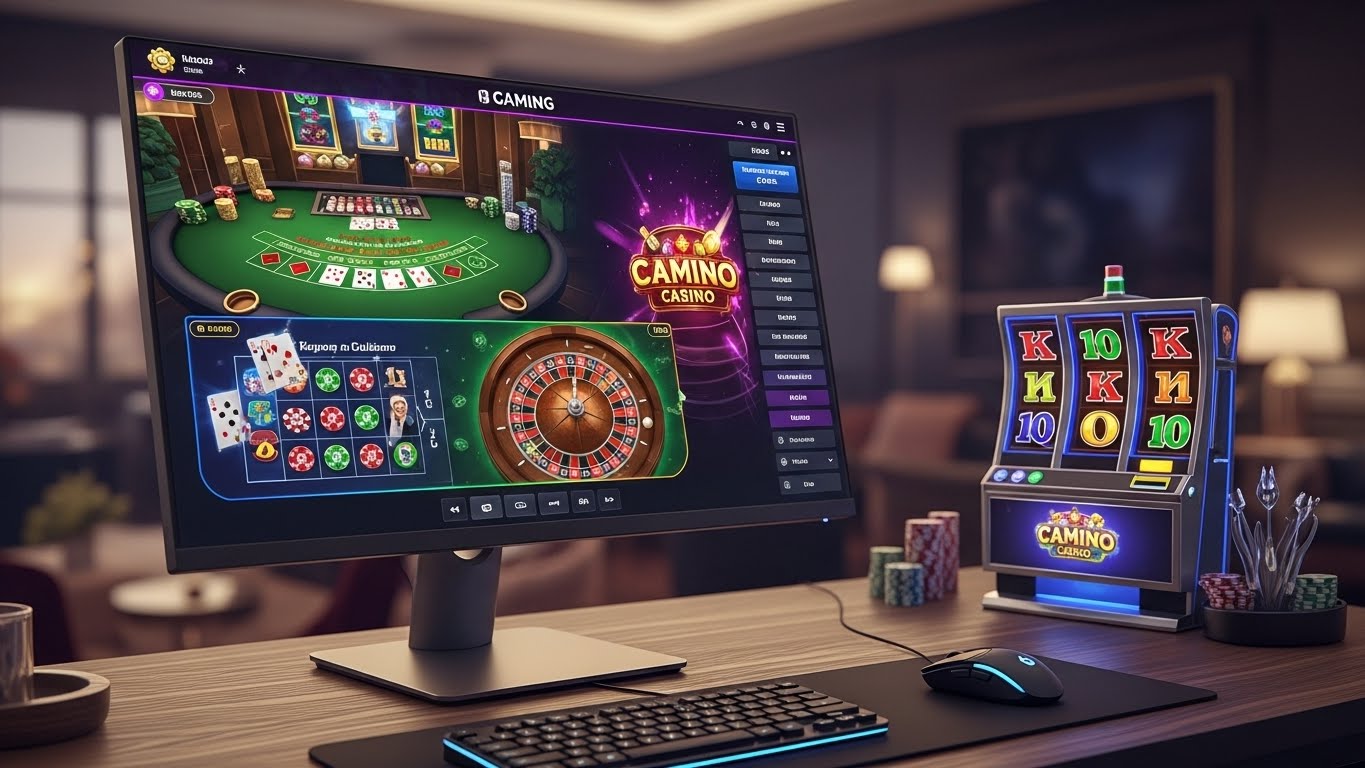


In the ever-evolving digital landscape, one industry that has seen explosive growth over the past decade is iGaming. The term “iGaming” refers to all forms of online gaming, including online casinos, sports betting, poker, and other gambling activities conducted over the internet. What was once a niche market has now grown into a multi-billion-dollar industry, captivating millions of players worldwide. In this blog post, we will explore the growth of iGaming, the factors driving its popularity, the challenges it faces, and its potential future.
Understanding iGaming: What It Encompasses
At its core, iGaming refers to the broad spectrum of internet-based gaming activities that involve real money wagering. These activities are usually facilitated by licensed operators who offer virtual platforms where players can engage in various gambling activities, such as:
- Online Casinos: Virtual versions of traditional casino games, including slots, table games like blackjack, roulette, and baccarat, and newer variants of games like live dealer casino games.
- Sports Betting: Online platforms where players can place bets on a wide range of sports events, from traditional games like football and basketball to niche sports such as esports, horse racing, and even virtual sports.
- Poker: Online poker rooms where players can compete against each other in various formats like Texas Hold’em, Omaha, and more. These platforms allow for both casual play and professional tournaments.
- Esports Betting: The rise of esports has introduced a new dimension to iGaming, with players placing bets on popular video game tournaments, such as Dota 2, League of Legends, and Counter-Strike.
While these categories represent the main types of iGaming, the industry is continually evolving, and new forms of online gambling are emerging to meet the demands of today’s tech-savvy players.
The Explosive Growth of iGaming
iGaming’s growth trajectory has been nothing short of remarkable. The global iGaming market was valued at around $58 billion in 2021 and is expected to continue its upward trend, with projections suggesting that it could reach $100 billion by 2026. Several factors have contributed to the rapid growth of the iGaming industry:
1. Technological Advancements
One of the most significant drivers of iGaming’s growth has been the rapid advancement of technology. As internet speeds have increased, so too has the quality of online gaming platforms. Virtual reality (VR) and augmented reality (AR) are also being explored to create more immersive gaming experiences. The availability of high-quality graphics, seamless gameplay, and live dealer options has made online casinos and poker rooms more appealing to players who would rather stay home than visit a physical casino.
2. Mobile Gaming Revolution
The widespread adoption of smartphones has further accelerated the growth of iGaming. Players can now access their favorite games anytime, anywhere, whether they are on a commute, waiting in line, or lounging at home. Mobile gaming has made iGaming more convenient and accessible, helping to attract a broader audience. The availability of mobile apps and optimized mobile sites means that players no longer need to be tied to a desktop computer to enjoy their favorite gambling activities.
3. Globalization of the Internet
The global reach of the internet has allowed iGaming operators to tap into new markets. Countries where traditional gambling might be restricted or heavily regulated are seeing an increasing number of players flocking to online platforms. Furthermore, the ease of setting up an online gambling platform has allowed operators to offer services to international players, breaking down geographical boundaries and expanding their customer base.
4. Changing Attitudes Towards Gambling
Over the past few decades, societal views on gambling have evolved. In many countries, gambling is no longer viewed with the same level of stigma it once had. With the rise of legal, regulated, and responsible gambling environments, people feel more comfortable participating in iGaming activities. The increasing acceptance of online casinos and sports betting is also a reflection of the growing desire for entertainment and convenience in the digital age.
The Role of Regulation and Licensing in iGaming
While the rapid growth of iGaming is undoubtedly exciting, it has also raised concerns about responsible gambling and the potential for fraud, money laundering, and other illegal activities. To address these concerns, many countries have implemented or are in the process of implementing regulations to ensure the safety and fairness of online gambling.
Licensing Bodies and Jurisdictions
There are several reputable jurisdictions and licensing bodies worldwide that regulate online gaming operations. Some of the most well-known include:
- The United Kingdom Gambling Commission (UKGC): One of the most respected regulatory bodies in the world, ensuring that all UK-based operators follow strict standards of fairness and safety.
- The Malta Gaming Authority (MGA): A leading licensing authority in Europe, providing licenses to online operators who wish to serve European players.
- The Gibraltar Regulatory Authority (GRA): Known for its robust regulations, Gibraltar is home to many online gambling operators.
- The Isle of Man Gambling Supervision Commission (GSC): A trusted licensing authority offering a stable and secure regulatory environment.
Operators licensed in these jurisdictions must adhere to strict standards, including game fairness, financial transparency, and responsible gambling practices. Additionally, they are required to have proper customer verification processes to prevent fraud and ensure that all players are of legal age to gamble.
The Challenges Facing the iGaming Industry
Despite the tremendous growth, the iGaming industry faces several challenges, some of which could potentially impact its future development. Let’s take a closer look at these obstacles:
1. Legal and Regulatory Barriers
While many countries have embraced online gambling, there are still several regions where it is illegal or heavily restricted. The complexity of global iGaming regulations makes it challenging for operators to navigate different legal frameworks. In some cases, companies may be required to obtain multiple licenses to operate in various jurisdictions, leading to higher costs and regulatory hurdles.
2. Responsible Gambling and Addiction
One of the biggest concerns for the iGaming industry is gambling addiction. With the ease of access to online gambling platforms, there is an increased risk of players developing unhealthy habits. Many operators are now focusing on promoting responsible gambling, offering tools like self-exclusion, deposit limits, and access to counseling services. However, ensuring that these measures are effectively implemented across the industry remains a challenge.
3. Cybersecurity Threats
As with any online industry, iGaming operators face significant cybersecurity threats. Online platforms handle large sums of money and sensitive personal data, making them prime targets for cybercriminals. Ensuring the security of player data and preventing fraud is critical to maintaining trust in the industry. To address this, operators must invest heavily in secure payment processing systems, encryption technologies, and other measures to protect their platforms from cyber-attacks.
4. Market Saturation
As the iGaming market continues to grow, competition among operators has intensified. With an increasing number of platforms vying for player attention, standing out in the crowded market can be challenging. In order to attract and retain players, operators need to offer unique and engaging experiences, such as innovative game mechanics, better customer support, and more lucrative bonus offerings.
The Future of iGaming: Trends to Watch
Looking ahead, the iGaming industry is set to evolve even further. Several emerging trends are likely to shape the future of online gambling, including:
1. The Rise of Cryptocurrency in iGaming
Cryptocurrency has been gaining traction as a payment method in the iGaming sector. Bitcoin, Ethereum, and other digital currencies offer advantages such as faster transactions, lower fees, and increased privacy. More iGaming platforms are expected to adopt cryptocurrencies as a form of payment in the coming years, which could further transform the landscape of online gambling.
2. Virtual Reality and Augmented Reality
Virtual reality (VR) and augmented reality (AR) are poised to revolutionize the iGaming experience. These technologies have the potential to create highly immersive environments where players can interact with games in entirely new ways. Imagine stepping into a virtual casino or poker room and engaging with real-life dealers and players in a fully immersive environment. While VR and AR are still in their infancy, the future looks promising.
3. Esports and Skill-based Gaming
The popularity of esports is on the rise, and its integration into the iGaming sector has already begun. Online sportsbooks and casinos are increasingly offering betting opportunities for esports events, while skill-based games—where players’ abilities, rather than luck, determine the outcome—are also gaining momentum. This trend could attract a younger, more engaged audience to iGaming platforms.
4. Artificial Intelligence and Personalization
Artificial intelligence (AI) will play an essential role in the future of iGaming. From personalized game recommendations to AI-powered customer service bots, AI will enable operators to enhance the player experience. Additionally, AI algorithms can help detect patterns of problem gambling behavior, allowing operators to take proactive measures to prevent harm.
Conclusion
iGaming has firmly established itself as one of the most lucrative and fast-growing sectors in the global entertainment industry. Technological innovations, mobile gaming, and shifting societal attitudes have fueled this expansion, while regulatory measures are ensuring the safety and fairness of the industry. However, challenges like cybersecurity, legal barriers, and gambling addiction must be addressed as the industry continues to evolve.
Looking to the future, iGaming will undoubtedly continue to evolve, driven by emerging technologies like VR, AR, cryptocurrency, and AI. With responsible gambling practices and continued innovation, the iGaming industry will remain a dynamic and exciting space for players and operators alike. The future is bright for iGaming, and as technology continues to advance, the boundaries of online gaming will only expand further, providing new and unique experiences for all.