

In recent years, the online gaming industry, or iGaming, has seen explosive growth, transforming from a niche segment into a global entertainment powerhouse. The convergence of technology, social interaction, and traditional gambling has shaped the industry into what we know today. iGaming covers a broad spectrum of digital entertainment, from online casinos to sports betting, poker, and even fantasy sports. This blog post explores the history, growth, impact, and future of iGaming, shedding light on why it has become one of the most lucrative sectors in the entertainment industry.
What is iGaming?
At its core, iGaming refers to the use of the internet for gambling activities. It encompasses a variety of gaming formats, including but not limited to, online casinos, sports betting, poker rooms, bingo games, and even virtual sports. Unlike traditional gambling, where players go to physical casinos or betting shops, iGaming takes place entirely online, providing the convenience of accessing games from anywhere in the world.
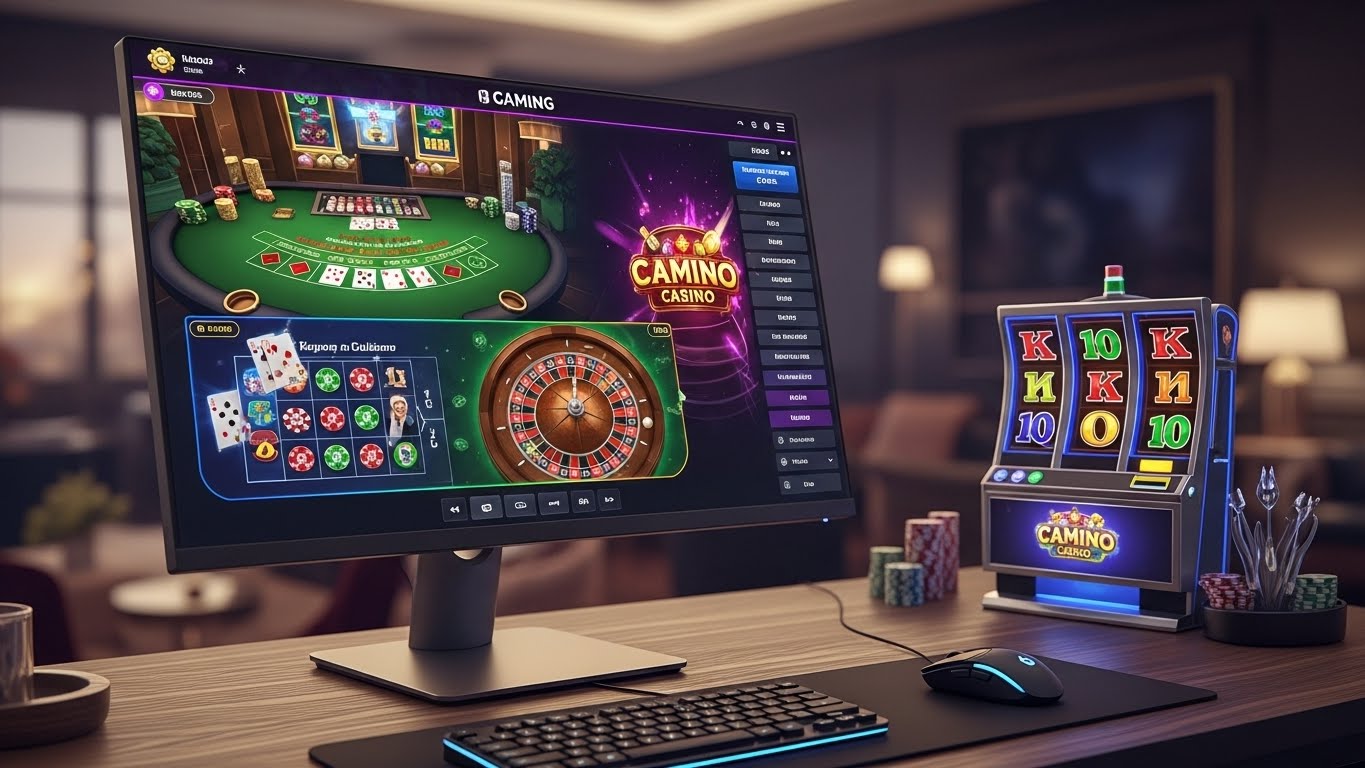
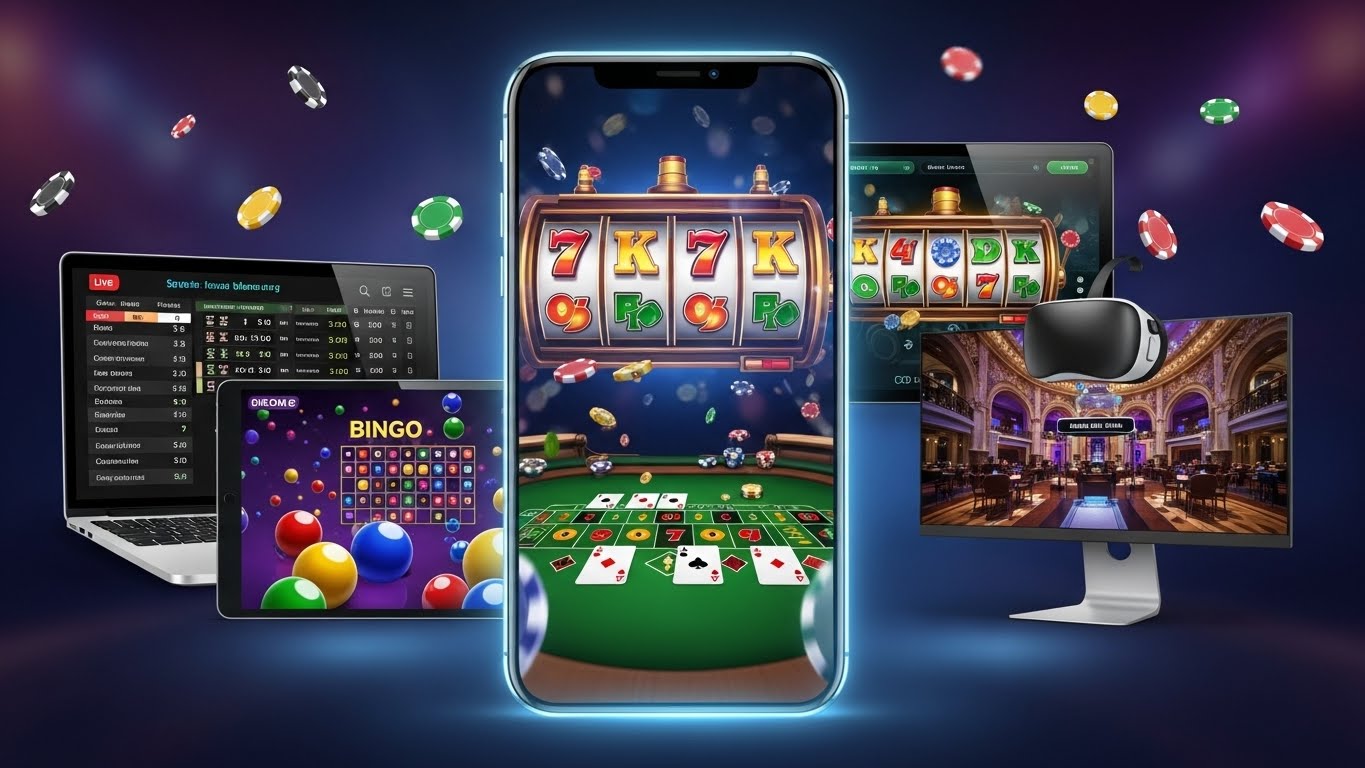
Online casinos offer digital versions of games like blackjack, roulette, baccarat, and slot machines. Sports betting allows users to wager on professional sports events, while poker rooms enable users to compete against others in virtual card games. The world of iGaming has rapidly expanded, incorporating features like live dealer games and virtual reality (VR) experiences to enhance player engagement.
A Brief History of iGaming
The history of iGaming can be traced back to the early 1990s when the internet began to gain popularity. In 1994, Antigua and Barbuda passed the Free Trade and Processing Act, allowing companies to apply for licenses to offer online gaming services. This legislative move paved the way for the first online casinos, which began emerging in 1996. The first legal online gambling platform, InterCasino, launched in 1996, marking the birth of the online casino industry.
Throughout the 1990s, the iGaming sector faced challenges with regard to regulatory frameworks, security, and consumer trust. However, as technology improved and payment systems became more secure, the industry gained momentum. In the 2000s, the development of software providers, such as Microgaming and Playtech, revolutionized the quality of online games. These companies brought high-quality graphics, realistic game mechanics, and innovative features that enhanced the player experience.
The arrival of mobile technology in the 2010s further accelerated the growth of iGaming, with smartphones and tablets enabling players to access games on the go. By 2020, the iGaming market had reached new heights, driven by advances in internet connectivity, mobile devices, and regulatory changes that made online gambling more accessible and legitimate in various parts of the world.
The Key Drivers Behind iGaming Growth
Several factors have contributed to the rapid expansion of the iGaming industry, including:
1. Advances in Technology
The rapid advancement of technology has played a pivotal role in the growth of iGaming. With the rise of high-speed internet, mobile devices, and cloud computing, the gaming experience has become faster, more immersive, and more accessible. Developers are now able to create games that offer high-definition graphics, smooth gameplay, and interactive features. Moreover, the advent of live dealer games, powered by streaming technologies, has brought the casino experience into players’ homes, offering real-time gaming with human dealers.
2. Legalization and Regulation
As more countries recognize the potential economic benefits of regulating iGaming, the industry has flourished. Many jurisdictions, such as the United Kingdom, Malta, and Spain, have developed comprehensive legal frameworks that regulate online gaming, ensuring player protection and responsible gambling. The legalization of sports betting in the United States in 2018 also opened up a massive market for iGaming operators. These regulatory changes have not only legitimized the industry but have also enhanced its growth by attracting more players and investors.
3. Changing Consumer Preferences
Modern consumers, especially millennials and Generation Z, are more tech-savvy and are looking for entertainment that is interactive and engaging. iGaming fits the bill perfectly, offering a wide range of games that cater to diverse interests. Additionally, the ability to play from home or on-the-go, combined with the availability of various payment options like e-wallets, cryptocurrencies, and traditional banking, has made online gaming increasingly appealing.
4. The Social Aspect of iGaming
iGaming platforms often integrate social elements, such as multiplayer games, live streaming, and the ability to chat with other players. This social interaction helps players feel more connected, and it mimics the experience of visiting a physical casino or sportsbook. Online poker rooms and multiplayer betting platforms have also contributed to the popularity of iGaming, as people enjoy the competitive aspect of playing with others.
Popular Types of iGaming
iGaming encompasses a wide range of gaming formats. Here’s a look at some of the most popular types:
1. Online Casinos
Online casinos are the cornerstone of the iGaming industry. These platforms offer a wide variety of traditional casino games, including slots, blackjack, poker, roulette, and baccarat. Many casinos now feature live dealer games, where players can interact with real dealers via video stream. This gives the experience a more authentic feel and attracts those who miss the physical casino experience.
2. Sports Betting
Sports betting has long been a popular form of gambling, and its digital counterpart has boomed in recent years. Players can place wagers on a variety of sports, from football and basketball to niche events like esports or virtual sports. With live betting options, players can place bets in real-time, further enhancing the excitement of the game. The legal expansion of sports betting in the U.S. has led to a surge in sports gambling platforms, and it is expected to continue growing in the coming years.
3. Online Poker
Poker is one of the most popular card games in the world, and online poker has become a major part of the iGaming landscape. Players can participate in cash games or tournaments, with the opportunity to win significant payouts. Online poker rooms allow players to compete against others globally, bringing together a diverse and competitive pool of participants. The ability to play multiple tables at once and the accessibility of poker apps have further fueled the popularity of online poker.
4. Fantasy Sports
Fantasy sports, particularly daily fantasy sports (DFS), have gained massive traction in the past decade. Platforms like DraftKings and FanDuel allow players to build teams based on real-life players’ performances and compete for cash prizes. The rise of fantasy sports has introduced a new wave of players who enjoy the blend of strategy, knowledge of sports, and the thrill of competition.
5. Esports Betting
Esports, or competitive video gaming, has become a multi-billion-dollar industry. With millions of fans worldwide, esports tournaments like The International and League of Legends World Championship draw large audiences. Esports betting allows players to place wagers on professional video game tournaments. The rise of esports has opened up new avenues for iGaming operators, attracting younger demographics who are passionate about gaming.
The Economic Impact of iGaming
The iGaming industry has a significant impact on global economies, both directly and indirectly. In regions where iGaming is regulated, it creates jobs, generates tax revenue, and boosts the local economy. Online casinos, sportsbooks, and poker rooms require software developers, customer support teams, marketing professionals, and payment processors, all of which contribute to employment. Moreover, tax revenues from iGaming are used to fund public services, contributing to the overall economic development of jurisdictions.
The Future of iGaming
The future of iGaming looks bright, driven by continued technological innovation and the expansion of legal markets. Key trends to watch for include:
1. Virtual Reality and Augmented Reality
The integration of virtual reality (VR) and augmented reality (AR) into iGaming platforms is set to revolutionize the industry. By creating fully immersive, 3D environments, VR casinos will allow players to experience gaming like never before. Similarly, AR could bring real-world elements into digital gameplay, enhancing the overall experience.
2. Cryptocurrency and Blockchain
Cryptocurrency has already made a significant impact on iGaming, providing players with faster, more secure transactions. Many online casinos now accept Bitcoin and other cryptocurrencies as a form of payment. Blockchain technology could further improve transparency, fairness, and security within the industry, ensuring that players’ funds and personal data are protected.
3. Mobile Gaming and On-the-Go Platforms
Mobile gaming will continue to dominate the iGaming space. With smartphones becoming more powerful, players will be able to enjoy high-quality casino games, sports betting, and poker on-the-go. As mobile gaming technology improves, operators will develop more user-friendly and feature-rich apps to cater to this growing demand.
Conclusion
The iGaming industry has come a long way since its humble beginnings in the 1990s. Today, it stands as a multi-billion-dollar sector that has transformed the way people experience gambling and entertainment. With advances in technology, the rise of mobile devices, and the ongoing regulatory developments, iGaming is well-positioned to continue its growth in the coming years. As consumer preferences shift and new trends emerge, the future of iGaming promises even more exciting opportunities for both operators and players alike. Whether you’re a seasoned player or a newcomer, the world of iGaming offers something for everyone, making it an exciting space to watch.