
The world of gambling has undergone a massive transformation in recent decades. What was once limited to brick-and-mortar casinos, racetracks, and physical card tables has now evolved into a global, digital phenomenon. Welcome to the world of iGaming, where technology meets entertainment in a way that has revolutionized the way we gamble. From online casinos and sports betting to eSports and virtual games, the rise of iGaming has made gambling more accessible, immersive, and exciting than ever before. In this blog post, we will explore the history, growth, technology, and future of iGaming, shedding light on why this industry has become a major player in the entertainment world.
The Birth of iGaming: A Shift from Land-Based to Online Gambling
The roots of iGaming trace back to the early days of the internet. The first major step toward the digital revolution of gambling began in the mid-1990s. The advent of the World Wide Web opened up new possibilities for businesses, and the online gambling industry saw an opportunity to reach a wider audience by offering casino games and sports betting through the internet.
In 1994, Antigua and Barbuda passed the Free Trade and Processing Act, which allowed the licensing of online gambling operators. This legal shift laid the foundation for the first online casinos and sportsbooks. In 1996, the first online casino, InterCasino, went live, offering games such as blackjack and roulette to players across the globe. This marked the beginning of a new era in gambling, one where players no longer needed to travel to a physical casino to enjoy their favorite games.
By the late 1990s and early 2000s, the internet had become more widely accessible, and internet speeds had increased, allowing for smoother gameplay and better user experiences. Online casinos began to flourish, and the iGaming industry quickly gained momentum. In addition to traditional casino games, sports betting also became a significant part of the iGaming landscape, as websites began offering odds for sports events around the world.
The Rise of Mobile iGaming: Gambling on the Go
As technology continued to improve, the next major development in iGaming came in the form of mobile gambling. The proliferation of smartphones and tablets in the 2010s created a new wave of opportunity for iGaming companies. Mobile devices offered players the convenience of gambling on the go, anywhere, and anytime.
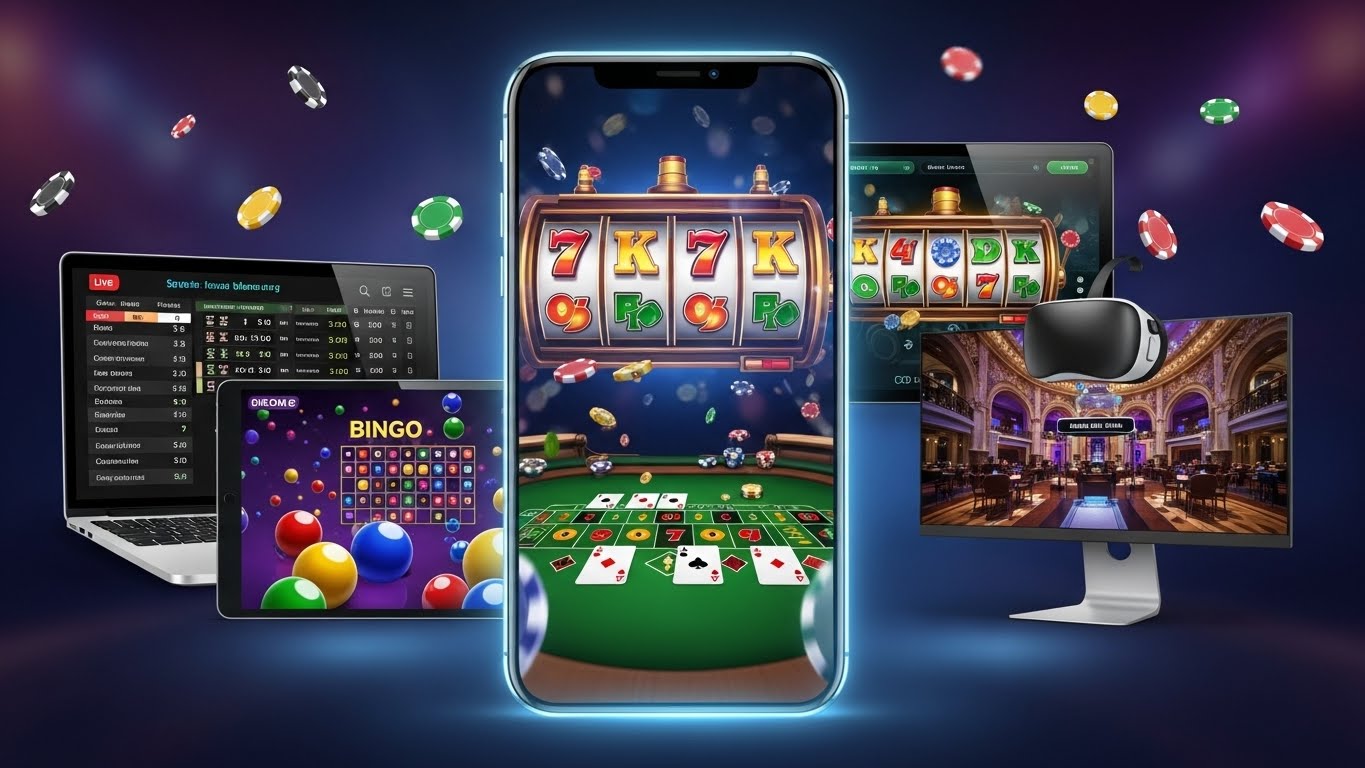
Mobile apps and responsive websites quickly became the norm for online gambling operators. Mobile gaming allowed players to access their favorite casino games, poker tables, and sports betting platforms from their smartphones or tablets, providing an unprecedented level of accessibility. The rise of mobile apps brought even more players into the fold, with a new generation of gamblers preferring the convenience and portability of mobile gambling.
In addition to the expansion of mobile casinos, the rise of mobile sports betting became particularly significant. In countries and regions where sports betting was legal, the ability to place bets on the go changed the way people interacted with their favorite sports events. Players could now place bets during live games, engage with in-play betting markets, and access a wider variety of betting options at their fingertips.
The Growth of Live Dealer Games: A New Level of Immersion
While online gambling initially began with digital versions of traditional casino games, one of the most exciting innovations in iGaming came in the form of live dealer games. Live dealer casinos offer an experience that closely mimics the atmosphere of a physical casino, providing players with the ability to play real-time games such as blackjack, roulette, and baccarat with live dealers streaming from studios or actual casino floors.
The introduction of live dealer games in the mid-2000s was a game-changer. These games offered a more immersive and authentic experience for online players, bridging the gap between land-based and online gambling. Players could interact with professional dealers through video streaming technology, and the games were conducted in real-time, offering a more engaging experience compared to traditional RNG (random number generator)-based games.
Live dealer games allowed for a higher level of player engagement. Gamblers could chat with dealers and other players, creating a social atmosphere that was previously missing from digital gambling. The rise of live dealer games also introduced new technologies, including multi-camera streams and enhanced user interfaces, all of which helped to provide a more engaging, realistic, and fun experience.
The Role of eSports in iGaming
One of the most exciting and unexpected developments in the world of iGaming has been the rise of eSports. Competitive video gaming, or eSports, has become a major global phenomenon, attracting millions of viewers and players worldwide. As the popularity of eSports exploded, so did the potential for iGaming companies to integrate eSports betting into their platforms.
Today, many iGaming operators offer betting markets for eSports tournaments, with players able to wager on major competitions for games like “League of Legends,” “Dota 2,” “Counter-Strike: Global Offensive,” and “Fortnite.” The dynamic nature of eSports has made it an attractive option for bettors, as the outcome of games is often unpredictable, creating a high level of excitement and engagement.
In addition to traditional sports betting, iGaming companies are now offering in-play betting for eSports, allowing players to place bets during live events. The growth of eSports has led to a new kind of gambler—one that is passionate about video games and eager to bet on their favorite teams and players. As eSports continues to grow, so too will its integration with the broader iGaming industry.
The Technology Behind iGaming: Innovation at Its Core
The rapid growth of iGaming has been fueled by technological innovations. At its core, the iGaming industry relies on cutting-edge technology to ensure that games are fair, secure, and engaging for players. These technologies are constantly evolving, and operators are always looking for new ways to improve the player experience.
Blockchain and Cryptocurrency: One of the most significant technological trends in iGaming is the adoption of blockchain technology and cryptocurrency. Cryptocurrencies like Bitcoin, Ethereum, and others are now commonly accepted at many online casinos and sports betting sites. Blockchain technology ensures transparency and security, providing players with a decentralized, tamper-proof way to place bets and transfer funds. The use of cryptocurrency allows for faster transactions, lower fees, and greater anonymity for players.
Artificial Intelligence (AI): AI is increasingly being used in the iGaming industry for various purposes, from personalizing player experiences to improving security. AI-powered algorithms can analyze player behavior and preferences, helping operators offer tailored recommendations, bonuses, and promotions. Additionally, AI is used to detect fraudulent activity, prevent cheating, and ensure the integrity of games.
Virtual Reality (VR): Another emerging technology in the world of iGaming is virtual reality. VR casinos are still in their infancy, but they have the potential to take online gambling to an entirely new level. Imagine stepping into a virtual casino, interacting with live dealers and other players in a fully immersive 3D environment. VR could revolutionize the way people experience iGaming by creating a more realistic and engaging atmosphere.
Big Data and Analytics: Big data is playing an increasingly important role in the iGaming industry. Operators use data analytics to gain insights into player behavior, optimize game performance, and develop effective marketing strategies. By analyzing vast amounts of data, iGaming companies can improve customer retention, identify trends, and provide a more personalized experience for players.
The Future of iGaming: Trends to Watch
The future of iGaming looks bright, with a number of trends that are likely to shape the industry in the coming years. Here are some of the key trends to watch:
Regulation and Legalization: As the iGaming industry grows, so too does the need for regulation. Many governments around the world are moving toward the legalization and regulation of online gambling. In the United States, for example, several states have already legalized online sports betting, and others are likely to follow suit. This trend toward legalization will help shape the future of iGaming, as operators will need to comply with local laws and regulations.
Mobile Gaming Expansion: Mobile gaming will continue to play a significant role in the growth of iGaming. As smartphone technology continues to improve, players will demand more sophisticated and seamless mobile gambling experiences. iGaming operators will need to adapt to these changes by offering high-quality mobile apps and optimizing their websites for mobile devices.
Live Betting and Streaming: The demand for live betting and streaming options will likely continue to rise. Players want the ability to place bets in real-time during live events, and operators are responding by offering more in-play betting markets and live streaming options. This trend will likely grow, especially with the increasing popularity of eSports and sports events being broadcast in real-time.
Responsible Gambling: As the industry grows, so too does the need for responsible gambling practices. iGaming operators will be expected to implement better tools for player protection, including self-exclusion options, spending limits, and responsible gaming education. The rise of problem gambling awareness will prompt more operators to adopt ethical practices and provide better support for players.
Conclusion: A Digital Future for iGaming
The world of iGaming has undergone a profound transformation in recent years. With advancements in technology, mobile accessibility, live gaming, and the rise of eSports, online gambling has become an entertainment powerhouse that continues to grow at a rapid pace. As the industry evolves, new technologies like blockchain, virtual reality, and AI will further enhance the player experience, creating even more opportunities for innovation and engagement.
While there are challenges ahead—such as regulation and ensuring responsible gambling practices—the future of iGaming is incredibly exciting. With more players entering the fold and more innovations on the horizon, iGaming will continue to reshape the landscape of digital entertainment for years to come. Whether you’re a casual gamer or a seasoned bettor, the digital revolution of gambling has only just begun.