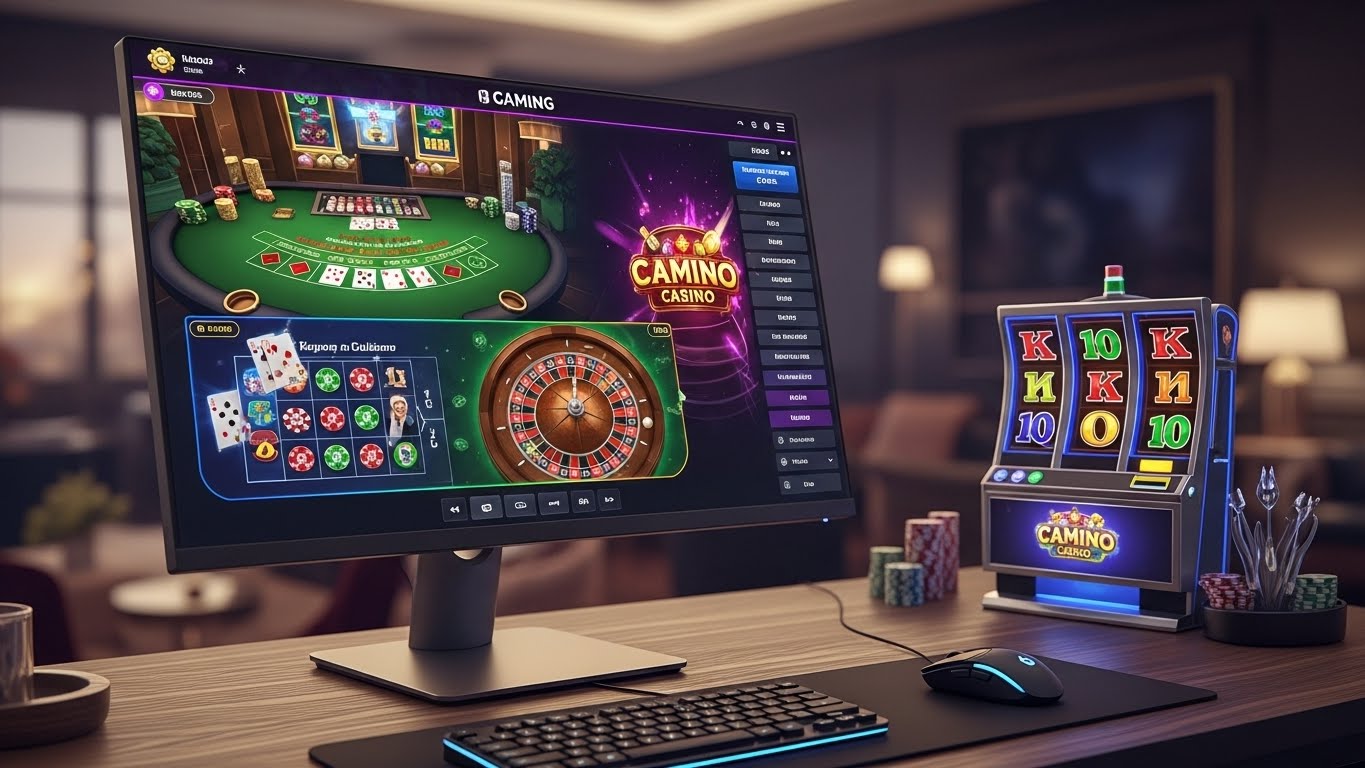


In recent years, the digital landscape has witnessed a monumental shift in how we perceive entertainment and leisure activities. Among the most significant changes is the rise of iGaming – a term that encompasses all forms of online gaming, from online casinos and sports betting to virtual poker and eSports. With its rapid growth and increasing global popularity, iGaming has become a powerful force in the entertainment sector, attracting millions of players worldwide and contributing significantly to the global economy.
In this blog post, we will explore the world of iGaming, its evolution, its impact on both the entertainment and economic sectors, the challenges it faces, and what the future holds for this fast-growing industry.
What is iGaming?
iGaming refers to the practice of playing games for money or prizes through the internet. While the term is often associated with online casinos, it also includes a wide range of gaming activities, such as online poker, sports betting, and fantasy sports. Essentially, iGaming covers any interactive game of chance or skill where players wager real money and can win cash or prizes.
The iGaming industry is constantly evolving, driven by advancements in technology, changes in regulations, and a growing global audience. The core activities in iGaming include gambling on virtual casino games like slots, blackjack, roulette, poker, and betting on sports events such as football, basketball, and horse racing.
The Evolution of iGaming: From Land-Based Casinos to Digital Entertainment
The origins of online gaming can be traced back to the 1990s when the internet began to gain widespread usage. In 1994, Antigua and Barbuda passed the Free Trade & Processing Act, allowing online gaming operators to be licensed and offering a legal framework for the industry to develop. This was a pivotal moment that allowed the first online casinos to open their virtual doors, providing players with the opportunity to gamble from the comfort of their own homes.
At the time, online casinos offered basic games like blackjack and roulette, and the experience was quite rudimentary compared to what we see today. However, with the improvement of internet speeds, software development, and graphics, iGaming quickly evolved into a multi-billion-dollar global industry. The rise of mobile technology, the advent of live dealer games, and the development of sophisticated software platforms have transformed the industry into a high-tech, immersive experience that attracts players worldwide.
In addition to online casinos, the boom in sports betting and fantasy sports has helped propel iGaming into the mainstream. The advent of live betting, where players can place wagers on sports events in real-time, has further fueled the growth of iGaming.
The Global Popularity of iGaming: A Multi-Billion Dollar Industry
Today, the iGaming industry is a global phenomenon. According to recent reports, the global online gambling market is estimated to be worth over $60 billion, with projections suggesting continued growth in the coming years. The increasing accessibility of smartphones and high-speed internet, along with the widespread adoption of secure payment methods, has made iGaming accessible to a diverse audience across different demographics.
One of the key factors contributing to the industry’s success is the wide range of options available to players. Whether it’s a game of skill, such as poker, or a game of chance, such as slot machines or roulette, there is something for every type of player. Sports betting, fantasy sports, and even new forms of interactive gaming, such as virtual reality casinos and eSports betting, have expanded the appeal of iGaming to a broader audience.
In addition, the rise of mobile gaming has made it easier for players to engage with iGaming platforms at any time and from anywhere. The convenience of being able to place bets, play casino games, or participate in eSports tournaments from a smartphone or tablet has contributed to the industry’s explosive growth.
Economic Impact of iGaming
The iGaming industry has become a major contributor to the global economy, with millions of dollars in revenue generated every year. In many regions, iGaming has created thousands of jobs, from software developers and game designers to marketing professionals and customer support agents. Moreover, it has spurred growth in related industries, such as payment processing, online security, and digital advertising.
iGaming also has a significant impact on local economies. Many jurisdictions that have legalized online gambling and sports betting benefit from licensing fees, tax revenue, and job creation. For example, countries like the UK, Malta, and Gibraltar have developed themselves into key hubs for iGaming operators, attracting a wide range of companies looking to capitalize on the growing market.
Sports betting alone generates billions in revenue every year, with major sporting events like the Super Bowl, the World Cup, and the Champions League serving as significant drivers of betting activity. Fantasy sports, which allows participants to create virtual teams and compete for real money prizes, has similarly exploded in popularity, further boosting the economic impact of iGaming.
In addition to these direct economic benefits, iGaming has helped stimulate innovation in technology and entertainment. The development of cutting-edge gaming software, the use of artificial intelligence and machine learning to optimize gaming experiences, and the integration of cryptocurrency for secure, anonymous transactions are just a few examples of how iGaming has contributed to broader technological advancements.
Challenges Facing the iGaming Industry
Despite its rapid growth and success, the iGaming industry is not without its challenges. One of the most significant concerns surrounding iGaming is the issue of regulation and compliance. Since the industry operates across multiple jurisdictions, varying regulations and legal frameworks can create complexity for operators. For example, online gambling is legal in some countries but banned in others, creating a patchwork of rules and regulations that operators must navigate.
The lack of consistent regulation can also lead to issues related to consumer protection. While many online casinos and betting platforms are fully regulated and adhere to strict standards of fairness and transparency, others may not. This can expose players to the risk of fraud, unfair practices, or problem gambling. As a result, many regulators around the world are working to establish comprehensive and consistent rules to protect players while allowing the industry to grow.
Another challenge faced by the industry is the issue of responsible gambling. While the vast majority of players engage with iGaming in a responsible manner, there is always the risk of addiction and harm, especially when it comes to high-stakes gambling or impulsive betting behavior. Many operators are taking steps to address this issue by implementing responsible gaming measures, such as self-exclusion programs, time limits, and providing resources for problem gambling assistance.
Security and privacy concerns also remain significant issues for players and operators alike. As iGaming platforms handle sensitive personal and financial data, ensuring robust cybersecurity measures is paramount to protect against hacking, fraud, and data breaches. The use of encryption technologies and secure payment gateways has helped address many of these concerns, but ongoing vigilance is necessary.
The Future of iGaming: Innovations and Trends to Watch
As technology continues to evolve, the iGaming industry is likely to undergo further transformations. Here are some key trends and innovations that could shape the future of iGaming:
1. Virtual and Augmented Reality (VR/AR)
Virtual and augmented reality technologies are expected to play a major role in the future of iGaming. By creating fully immersive, 3D environments, VR and AR can revolutionize the online casino experience, making it feel like players are actually sitting at a real-life casino table or walking through a digital casino floor.
2. Blockchain and Cryptocurrencies
Blockchain technology and cryptocurrencies are increasingly being integrated into iGaming platforms. Blockchain can provide a transparent, secure, and tamper-proof record of all transactions, while cryptocurrencies like Bitcoin offer players a fast, anonymous, and secure way to deposit and withdraw funds.
3. eSports and Interactive Gaming
The rise of eSports has brought a new dimension to iGaming. Competitive video gaming has grown into a multi-billion-dollar industry, with players, teams, and sponsors all heavily involved. As eSports continues to gain in popularity, betting on eSports events will become an increasingly prominent part of the iGaming world.
4. AI and Personalization
Artificial intelligence is transforming the way iGaming platforms interact with players. AI-powered algorithms can personalize the gaming experience by analyzing player behavior and preferences, offering tailored game recommendations, and creating more engaging user experiences.
Conclusion
iGaming has evolved into a multi-billion-dollar industry that continues to grow and innovate. The combination of technology, entertainment, and the global demand for accessible gaming options has made iGaming a dominant force in the online entertainment sector. While the industry faces challenges, including regulatory issues, consumer protection, and responsible gaming, its continued expansion and technological advancements show no signs of slowing down.
As we look to the future, the integration of emerging technologies like virtual reality, blockchain, and AI will only further enhance the gaming experience, offering players new ways to engage with their favorite games. Whether you’re a casual player or a professional gambler, the world of iGaming promises an exciting and ever-evolving future.